The government of the United Arab Emirates (UAE) has approved the UAE Energy Plan 2050, aimed at cutting CO2 emissions by 70%, increasing the use of clean energies by 50% (renewables and nuclear) and improving energy efficiency by 40% by 2050.
By 2050, the UAE aims to cover 44% of its energy consumption with renewables, with gas accounting for 38%, "clean fossil fuels" for 12% and nuclear for 6%. Currently, gas covers more than 90% of the country's energy mix. The UAE plans to invest Dh600bn (US$163.3bn) by 2050 to boost the integration of renewable, nuclear and clean fossil energy. The first reactor at the Barakah nuclear power plant is expected to be commissioned in 2017 and the plant, when fully operational, should cover 25% of the country's electricity consumption.
The plan is based on an expected annual growth of 6%. In a previous long-term plan, the UAE planned to generate 30% of their electricity with clean sources. However, Dubai has posted more ambitious targets: the Emirate aims to cover 7% of its energy consumption with clean energy sources by 2020 and to raise this target to 25% by 2030 and 75% by 2050.
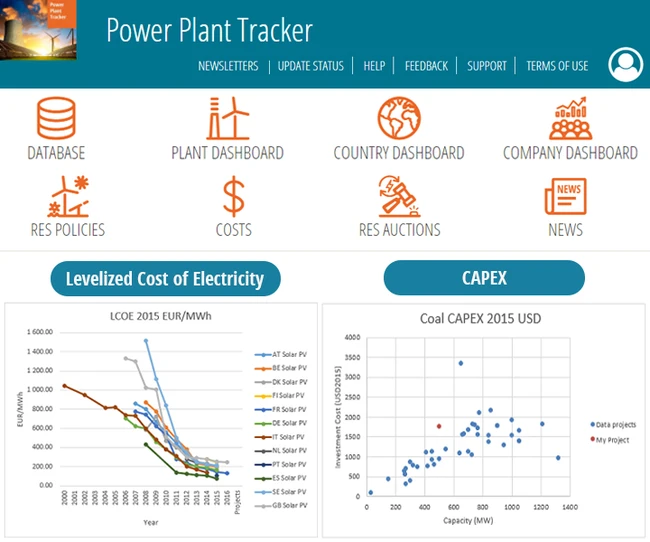
Searching for proven generation costs?
Then CAPEX & LCOE is the database you need. The module provides exclusive insights on both Capital Expenditure and Levelised Cost of Electricity.
Make informed decisions in terms of which technologies to invest in and where. In just a few clicks, access unique, premium data on both thermal and renewable power generation costs by technology and by country. Put our detailed, reliable information to use and benchmark your project.