As part of its growth strategy, Japan will ramp up investment in technologies to tackle climate change, such as renewable energy, hydrogen fuel and carbon recycling. The plan targets 30 GW of offshore wind capacity by 2040. In October 2020, the Japanese government presented a plan to achieve carbon neutrality by 2050. To cut greenhouse gases (GHG) emissions to zero by 2050, the country will invest in new solar cells and carbon recycling, intensifying research and development in those areas, and digitalise its economy. In addition, Japan will have to start decommissioning coal power plants and will also stop building and financing new coal power plants in Japan and overseas. The government’s latest Energy White Paper (2020) aims to raise the share of renewables in the power mix to 22-24% (including hydropower) in 2030, with plans to make renewables Japan’s main power source by 2050.
According to a group of Japanese lawmakers, which intend to submit a proposal to the government by end-2020, renewables should account for close to half of Japan’s power mix in 2030 (up from 18% in fiscal year 2019-2020 ending in March 2020), while the share of fossil fuels should decrease to less than 50%, from the current 76% in fiscal year 2019-2020.
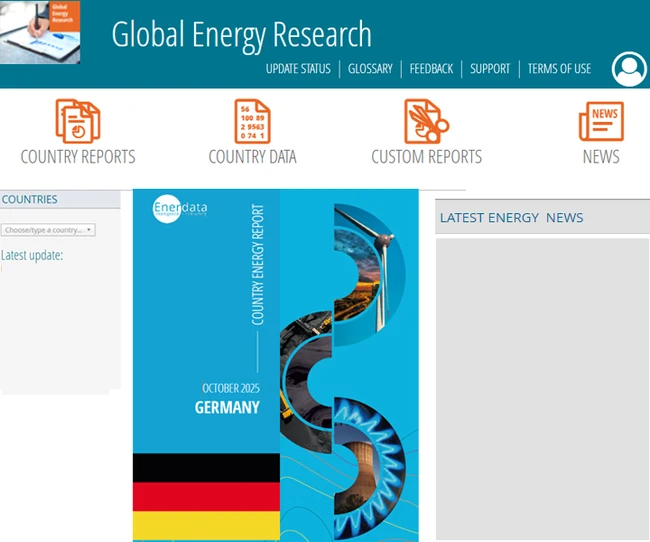
Interested in Global Energy Research?
Enerdata's premium online information service provides up-to-date market reports on 110+ countries. The reports include valuable market data and analysis as well as a daily newsfeed, curated by our energy analysts, on the oil, gas, coal and power markets.
This user-friendly tool gives you the essentials about the domestic markets of your concern, including market structure, organisation, actors, projects and business perspectives.