Swedish power utility Vattenfall plans to invest SEK10bn (EUR920m) in Sweden’s hydropower sector until 2030. In addition, ongoing expansion projects could require a further SEK2bn (USD216m) in investments (Vattenfall press release, 02/06/2026).
The investment programme covers both the construction of new facilities at existing hydropower plants and the modernization of current assets. The objective is to increase generation capacity, reinforce the electricity system, and secure at least 100 years of continued fossil-free electricity production. “Since 2016, Vattenfall has been working systematically to increase the output of its hydropower plants in Sweden. This work has so far contributed to an increase in installed output of approximately 700 MW”, according to the company’s press release.
Vattenfall currently holds more than half of Sweden’s hydropower capacity, with 8.5 GW of installed capacity out of a national total of 16 GW. In addition, the company has provided further details on several projects currently under development, including:
- Harsprånget on the Lule River: Installation of a new hydropower unit and modernization of the existing facility. The plant will have a total installed capacity of 913 MW and annual generation exceeding 2 TWh. As a result, Harsprånget will further strengthen its position as Sweden’s largest hydroelectric power station in terms of installed capacity. Commercial operation is scheduled to begin at the end of 2028.
- Juktan pumped-storage hydropower plant on the Ume River (330 MW): Vattenfall will submit a new application for an environmental permit in 2026; pending final investment decision, commissioning is expected in the mid-2030s.
- Messaure on the Lule River (150 MW): a preparatory study is currently underway in 2026. Subject to a final investment decision, commissioning is planned for 2038.
According to our data, hydropower has been on a declining trajectory since 2010, representing 40% of electricity generation in 2025 (-5 percentage points compared with 2010). It is followed by nuclear power, accounting for 27% (-12 percentage points), wind power with 23% (+21 percentage points), biomass with 7% (-2 percentage points) and solar power with 2.6% (Enerdata Global Energy Research).
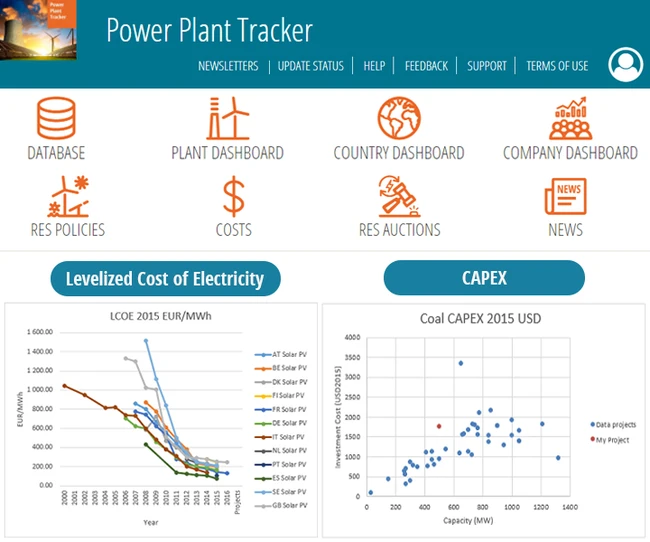
Searching for proven generation costs?
Then CAPEX & LCOE is the database you need. The module provides exclusive insights on both Capital Expenditure and Levelised Cost of Electricity.
Make informed decisions in terms of which technologies to invest in and where. In just a few clicks, access unique, premium data on both thermal and renewable power generation costs by technology and by country. Put our detailed, reliable information to use and benchmark your project.