The US administration has pledged to reduce the country’s greenhouse gas (GHG) emissions by 50-52% below 2005 levels by 2030. In addition, the United States has included this target in its updated Nationally Determined Contribution (NDC), submitted to the United Nations Framework Convention on Climate Change. The previous objective, included in the country’s first NDC (2016), was to cut its GHG emissions in 2025 by 26-28% below 2005 levels. According to the United States Environmental Protection Agency (EPA), US GHG emissions fell by 1.7% in 2019 to 5,769 MtCO2eq (including LULUCF), i.e. 13% below their 2005 level.
In February 2021, the United States re-entered the Paris agreement on climate change in February 2021 and agreed to work with Canada towards achieving net zero emissions by 2050, aims to achieve a 100% carbon-free power sector by 2035. In April 2021, the country unveiled a 10-year US$2,000bn infrastructure plan, which proposes US$100bn in spending to upgrade and build out the country’s electric transmission system. In addition, the country will invest US$174bn to boost the markets for electric vehicles and US$35bn to develop clean energy technology. Finally, the White House plans to spend US$621bn for standard physical infrastructure and modernising public transit and US$213bn to produce, preserve, and retrofit more than 2 million homes and commercial buildings.
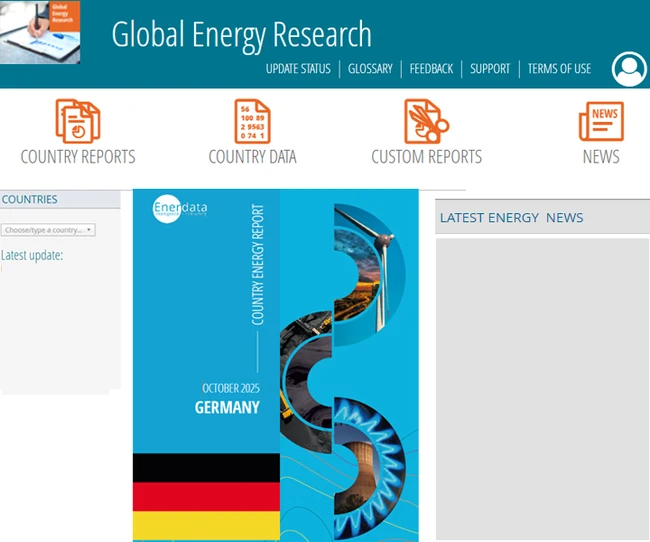
Interested in Global Energy Research?
Enerdata's premium online information service provides up-to-date market reports on 110+ countries. The reports include valuable market data and analysis as well as a daily newsfeed, curated by our energy analysts, on the oil, gas, coal and power markets.
This user-friendly tool gives you the essentials about the domestic markets of your concern, including market structure, organisation, actors, projects and business perspectives.