The United States Environmental Protection Agency (EPA) has unveiled a new regulation proposal to replace the previous administration's Clean Power Plan (CPP). The new regulation is called the Affordable Clean Energy (ACE) and is meant to reduce greenhouse gas (GHG) emissions from existing coal-fired power plants across the country.
Unlike the CPP, it relies mostly on heat-rate improvements to cut CO2 emissions from coal-fired power plants instead of measures such as fuel switching and emissions trading. According to the EPA, it could cover up to 6,000 coal-fired units spread across 300 power plants and is slated to save the industry approximately US$400m/year in compliance costs. The EPA estimates that the proposal would reduce power plant-originated CO2 emissions by 1.5% from projected levels if the CPP did not exist, which means a 33% overall reduction from 2005 levels by 2030.
The CPP was promulgated in August 2015 and aimed at reducing GHG emissions from the power sector by 32% from 2005 levels by 2030 (emissions reduction of about 870 Mt).
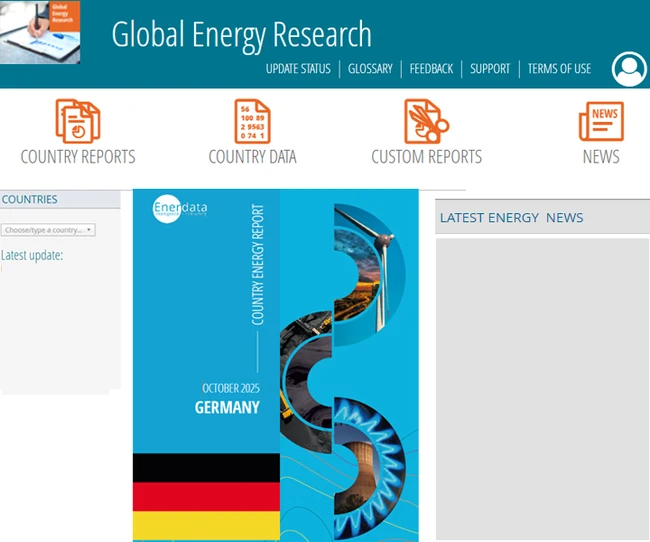
Interested in Global Energy Research?
Enerdata's premium online information service provides up-to-date market reports on 110+ countries. The reports include valuable market data and analysis as well as a daily newsfeed, curated by our energy analysts, on the oil, gas, coal and power markets.
This user-friendly tool gives you the essentials about the domestic markets of your concern, including market structure, organisation, actors, projects and business perspectives.