The U.S. Environmental Protection Agency (EPA) has proposed Clean Air Act standards to cut carbon pollution from new power plants. In addition, EPA has initiated broad-based outreach and direct engagement with state, tribal, and local governments, industry and labor leaders, non-profits, and others to establish carbon pollution standards for existing power plants and build on state efforts to move toward a cleaner power sector.
Under this proposal, new large natural gas-fired turbines would need to meet a limit of 1,000 pounds of CO2/MWh, while new small natural gas-fired turbines would need to meet a limit of 1,100 pounds of CO2/MWh. New coal-fired units would need to meet a limit of 1,100 pounds of CO2/MWh, and would have the option to meet a somewhat tighter limit if they choose to average emissions over multiple years, giving those units additional operational flexibility.
These proposed standards will ensure that new power plants are built with available clean technology to limit carbon pollution, a requirement that is in line with investments in clean energy technologies that are already being made in the power industry. Additionally, these standards provide flexibility by allowing sources to phase in the use of some of these technologies, and they ensure that the power plants of the future use cleaner energy technologies -- such as efficient natural gas, advanced coal technology, nuclear power, and renewable energy like wind and solar.
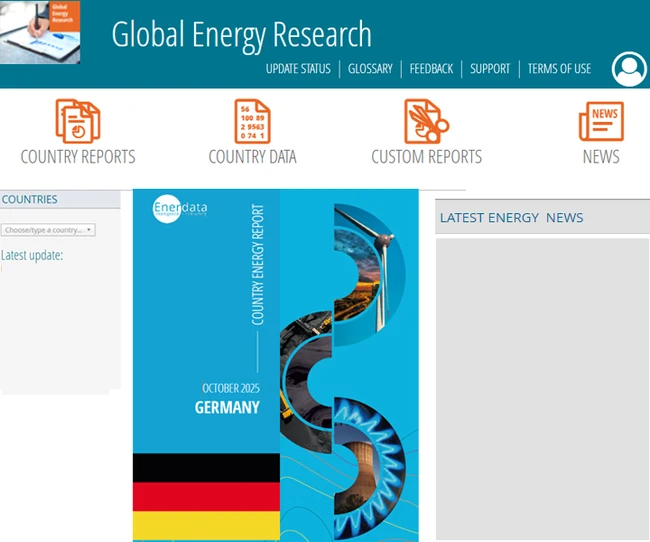
Interested in Global Energy Research?
Enerdata's premium online information service provides up-to-date market reports on 110+ countries. The reports include valuable market data and analysis as well as a daily newsfeed, curated by our energy analysts, on the oil, gas, coal and power markets.
This user-friendly tool gives you the essentials about the domestic markets of your concern, including market structure, organisation, actors, projects and business perspectives.