The United Arab Emirates (UAE) has unveiled the Net Zero 2050 Strategic Initiative, which aims to achieve carbon neutrality by 2050. The country plans to invest over AED600bn (over US$160bn) in clean and renewable energy till 2050.
The UAE approved the UAE Energy Plan 2050 in January 2017, which aimed at cutting CO2 emissions by 70%, increasing the use of clean energies by 50% (renewables and nuclear) and improving energy efficiency by 40% by 2050. By 2050, the UAE aimed to cover 44% of its energy consumption with renewables, with gas accounting for 38%, "clean fossil fuels" for 12% and nuclear for 6%. In May 2021, the Ministry of Energy and Infrastructure renewed these 70% CO2 emission cut and 50% renewable use commitments. In addition, the UAE submitted its updated Nationally Determined Contribution in December 2020, targeting a 23.5% reduction in greenhouse gas (GHG) emissions below a business-as-usual (BAU) scenario. Since 2017, CO2 emissions from energy use have decreased on average by 3.6%/year; previously, they increased by 5.6%/year between 2000 and 2017.
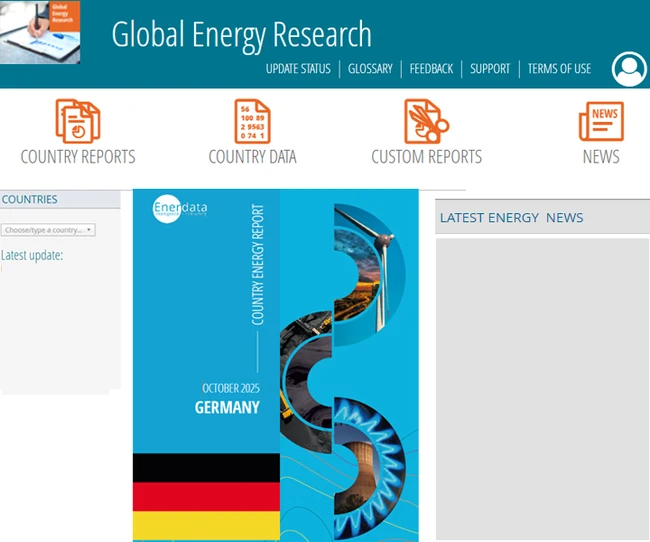
Interested in Global Energy Research?
Enerdata's premium online information service provides up-to-date market reports on 110+ countries. The reports include valuable market data and analysis as well as a daily newsfeed, curated by our energy analysts, on the oil, gas, coal and power markets.
This user-friendly tool gives you the essentials about the domestic markets of your concern, including market structure, organisation, actors, projects and business perspectives.