The British government has launched its Road to Zero Strategy that should make the United Kingdom the leader in zero emission vehicle technology. There are already more than 150,000 ultra-low emission vehicles on British roads, but according to this Strategy, at least 50% — and as many as 70% — of the sales of new cars - and up to 40% of new vans - should be ultra-low emission by 2030.
The government has already committed to invest £1.5bn (€1.7bn) in ultra-low emission vehicles by 2020 and will launch a £400m (€453m) Charging Infrastructure Investment Fund to support a massive roll-out of electric charging infrastructures by providing funding to new and existing companies that produce and install charge points. Charge points will be installed in newly-built homes. Electric vehicle owners will be provided up to £500 (€566) to put in a charge point in their home through the Electric Vehicle Homecharge Scheme, while grants available to workplaces to install charge points will be raised. As well, the Plug-In Car and Van Grants will be extended at current rates to at least October 2018, and in some form until at least 2020.
Under the government’s Air quality plan, the United Kingdom will end the sale of new conventional petrol and diesel cars and vans by 2040.
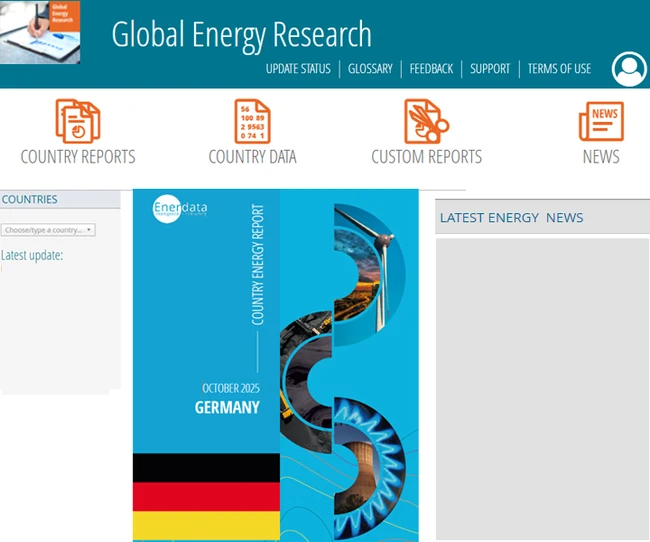
Interested in Global Energy Research?
Enerdata's premium online information service provides up-to-date market reports on 110+ countries. The reports include valuable market data and analysis as well as a daily newsfeed, curated by our energy analysts, on the oil, gas, coal and power markets.
This user-friendly tool gives you the essentials about the domestic markets of your concern, including market structure, organisation, actors, projects and business perspectives.