The British government has issued tougher new rules for fossil fuel projects in response to the independent Supreme Court which ruled that the global environmental effects of burning oil and gas are an inevitable consequence of extraction projects. North Sea operators, for the first time, are required to consider the impact of using or burning the extracted oil and gas (Scope 3 emissions) in environmental impact assessments. As part of the North Sea Transition Deal, the oil and gas sector committed to cut its GHG emissions by 50% by 2030 (compared to a 2018 baseline), to reach net zero by 2050.
In January 2025, the approvals of two North Sea projects — Shell's Jackdaw and Rosebank, involving Equinor and Ithaca Energy (80:20) — were deemed unlawful by a Scottish court and had to be regained. The court demanded a more detailed assessment of the fields' environmental impact. Consequently, the firms, which remained committed to the projects, decided to await for the new guidance to reapply for approval.
Shell's Jackdaw gas field (120–250 mboe) in the North Sea was originally approved in 2022, aiming to begin production in 2026. Equinor’s Rosebank (300–500 mboe) was granted permission in 2023 and is expected to start production in 2026/27. Since 2019, production has declined by 10%/year, reaching 642 kb/d in 2024 (-9% in 2024).
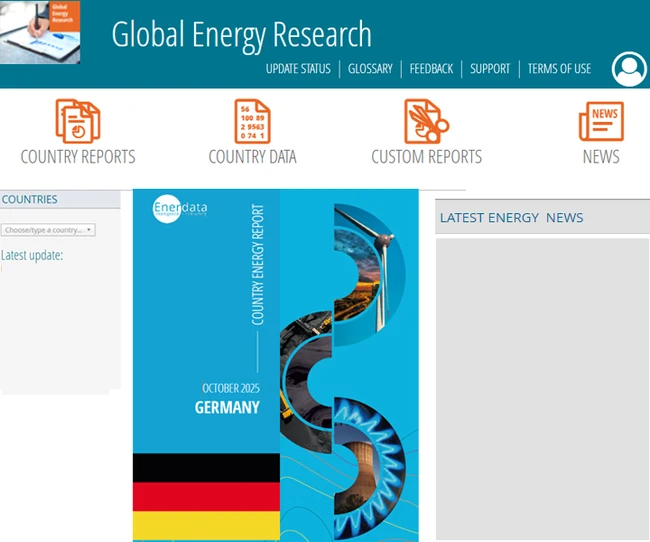
Interested in Global Energy Research?
Enerdata's premium online information service provides up-to-date market reports on 110+ countries. The reports include valuable market data and analysis as well as a daily newsfeed, curated by our energy analysts, on the oil, gas, coal and power markets.
This user-friendly tool gives you the essentials about the domestic markets of your concern, including market structure, organisation, actors, projects and business perspectives.