TEPCO is considering decommissioning at least one reactor at the 7,965 MW (8,212 MW gross) Kashiwazaki-Kariwa nuclear power plant in Kashiwazaki (Niigata prefecture, Japan). The nuclear power plant consists of five 1,067 MW (1,100 MW gross) boiling water reactors (BWR) commissioned between 1980 and 1994 and two 1,315 MW (1,356 MW gross) advanced boiling water reactors (ABWR) commissioned in 1996 and 1997. All have been idle since the Fukushima disaster in March 2011.
In October 2017, the group secured a safety approval from the Nuclear Regulation Authority (NRA) to restart the two most recent reactors, namely Kashiwazaki-Kariwa 6 and 7 reactors but the mayor of Kashiwazaki called for at least one of the plant's 1 to 5 reactors to be decommissioned before the restart of the units 6 and 7. TEPCO has thus proposed to decommission one of the five units or more within 5 years after the restart of units 6 and 7, provided the group is able to secure non-fossil fuel power sources of sufficient scale for long-term use.
TEPCO is seeking to develop offshore wind capacities off the coast of Choshi to cover up to 44% of its total power generation with renewables and nuclear by 2030. The group expects to have completed safety measures at unit 7 by December 2020 and is working on obtaining New Regulatory Requirement approval.
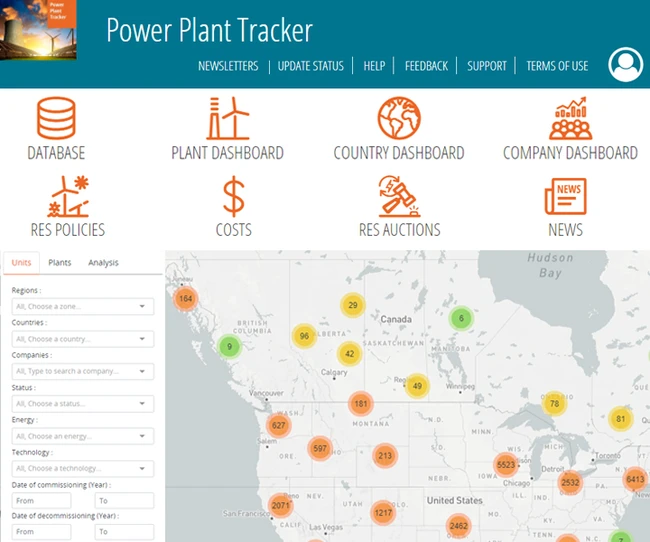
Interested in Power Plants?
Enerdata has developed a market research service to screen, monitor and analyse the development of power generation assets.
Power Plant Tracker offers an interactive database and a powerful search engine covering power plants worldwide – including both installed and planned capacities for renewables and fossil fuels.