The Federal Council of Switzerland has approved a CHF1.5c/kWh (€1.38c/kWh) increase of the transmission surcharge as of 1 July 2016 to promote electricity production from renewable energy sources and clean streams. In total, it will bring the increase to CHF2c/kWh (€1.84c/kWh) compared to last year, which is the maximum allowed by the Law on Energy (Energy Act).
The increase will help reducing the current waiting list of over 40,000 PV, wind, small hydropower, geothermal and biomass installations that are waiting for feed-in tariffs. Each month about 1,000 new projects are announced. With the CHF1.5c/kWh surcharge increase, 1,139 PV, 7 biomass, 19 small hydropower and 1 geothermal installations will be granted feed-in tariffs in July 2016.
In Switzerland, the state has been subsidising the new renewable energy plants since 2009. The surcharge to finance the feed-in tariffs scheme was CHF0.45c/kWh from 2009 to 2013, raised to CHF0.6c/kWh in 2014, then to CHF1.1c/kWh in 2015 and to CHF1.3c/kWh in January 2016. According to Switzerland's 2050 Energy Strategy, which is currently under review at the Parliament and which could enter into force at the earliest in 2018, the surcharge is planned to be set at CHF2.3c/kWh.
The annual additional financial burden due to the July increase is estimated at CHF9/year (€8.3/year) per household, bringing the total surcharge amount to CHF67.50/year (€62.1/year) for one household out of four with an average annual consumption of 4,500 kWh/year (CHF58.50 or €53.83 in 2016). As before, major electricity consumers can request a refund of surcharge on transport costs, if they have concluded an agreement with the Confederation on targets to improve energy efficiency.
Interested in Global Energy Research?
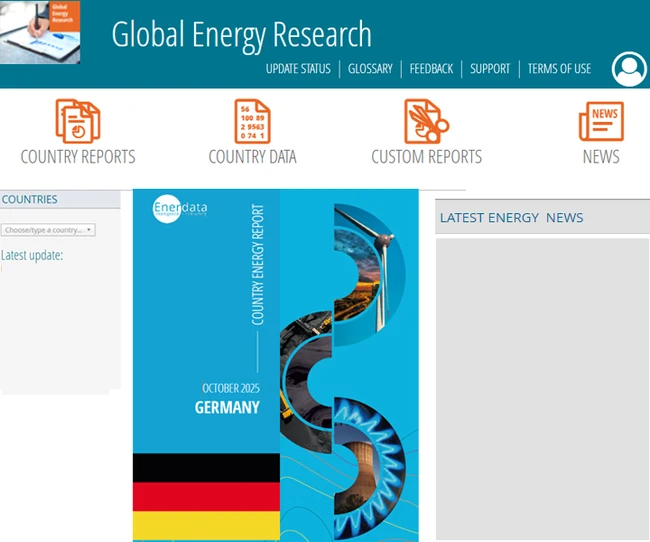
Enerdata's premium online information service provides up-to-date market reports on 110+ countries. The reports include valuable market data and analysis as well as a daily newsfeed, curated by our energy analysts, on the oil, gas, coal and power markets.
This user-friendly tool gives you the essentials about the domestic markets of your concern, including market structure, organisation, actors, projects and business perspectives.