South Korea will expand the share of its power generation from nuclear energy to 32.8% of its total generation by 2030, in a move to boost energy security and to better meet net-zero goals, according to the Korean Ministry of Industry.
Under the blueprint for the country’s electricity supply through 2036, South Korea plans to produce 201.7 TWh of electricity thanks to nuclear power by 2030. In July 2022, The South Korean government had already approved a plan to increase the share of nuclear in the country's power mix to 30% by 2030.
According to the Korean government, the new objective will be attainable because South Korea plans to resume the construction of the 1.4 GW Shin-Hanul No. 3 and No. 4 nuclear reactors and continue operations of existing reactors. In 2021, nuclear represented 17% of South Korea’s installed capacity with 23 GW and 27% of its power generation with 158 TWh.
According to the plan, renewable energy will make up 21.5% of the country’s total electricity generation by 2030 (9% in 2021), with the figure for coal standing at 21.2% (35% in 2021) and natural gas at 20.9% (28% in 2021). South Korea has pledged to reduce its greenhouse gas emissions by 40% by 2030 (from 2018 levels) and reach carbon neutrality by 2050.
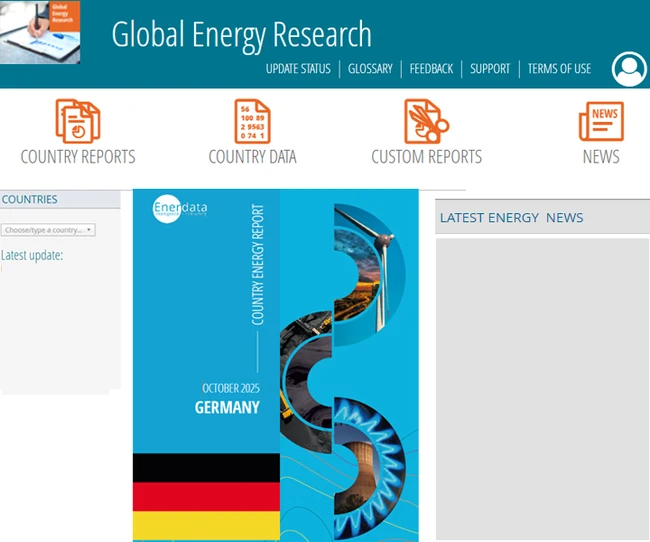
Interested in Global Energy Research?
Enerdata's premium online information service provides up-to-date market reports on 110+ countries. The reports include valuable market data and analysis as well as a daily newsfeed, curated by our energy analysts, on the oil, gas, coal and power markets.
This user-friendly tool gives you the essentials about the domestic markets of your concern, including market structure, organisation, actors, projects and business perspectives.