South Korea’s new government aims to increase the share of nuclear power in the energy mix to meet the country’s emissions reduction goal, though without announcing a specific share. The 40% emissions reduction target by 2030 (from 2018 levels) set by the previous administration is maintained: under that pledge, South Korea should reach 436 MtCO2eq in 2030 (727 MtCO2eq in 2018).
South Korea plans to allow existing units to seek lifetime extensions and to resume the construction of two reactors (units 3 and 4) at Shin Hanul, which were cancelled under the previous administration. The country will also keep on investing in nuclear technologies and aims to export them, targeting the construction of 10 reactors overseas by 2030, including in Poland and Saudi Arabia.
In 2021, nuclear represented 17% of South Korea’s installed capacity (23 GW), behind gas (31%) and coal (28%). Nuclear represented 27% of the country’s power generation, again behind coal (35%) and gas (28%). South Korea expects to reach 40% of generation from renewables by 2034 and will continue to deploy renewable capacities at a “reasonable level”.
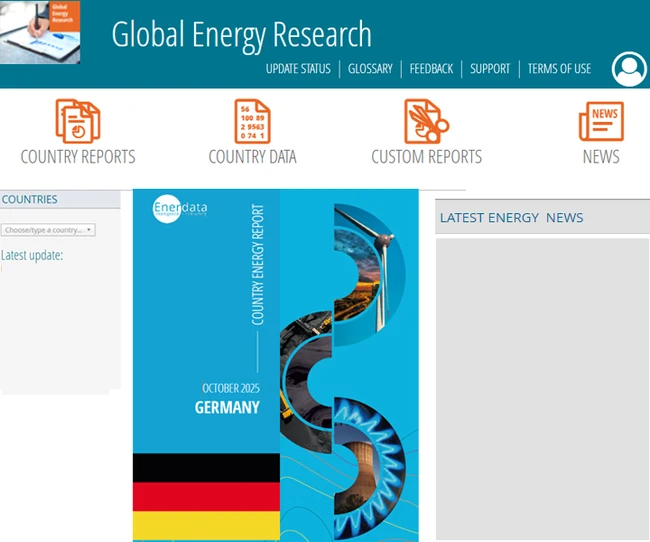
Interested in Global Energy Research?
Enerdata's premium online information service provides up-to-date market reports on 110+ countries. The reports include valuable market data and analysis as well as a daily newsfeed, curated by our energy analysts, on the oil, gas, coal and power markets.
This user-friendly tool gives you the essentials about the domestic markets of your concern, including market structure, organisation, actors, projects and business perspectives.