Korea Hydro and Nuclear Power (KHNP), the operator of South Korea's nuclear reactors, has been authorised by the Nuclear Safety and Security Commission to restart the Hanbit-2 nuclear unit. The 958 MW reactor has been shut since 30 October and will restart after checks on welding work on a steam generator. Checks on new control cables, to replace the ones supplied with fake certificates, were also satisfactory.
Three other 997 MW reactors, namely Shin Kori-1, Shin-Kori-2 in Busan and Shin Wolsong-1 in Gyeongju, are also shut. KHNP aims to install new cables and to restart the units by the end of December 2013 but the Commission has not mentioned any restart date.
South Korea, where 1/3 of the power supply is ensured by nuclear is facing power shortages this winter as many nuclear reactors are idled due to the forgery scandal. The government planned to raise the share of nuclear power in the overall power capacity to 41% by 2030 but a study group by the Energy Ministry recommended a lower share of 22-29%.
Moreover, Korea Electric Power Corp. (KEPCO) will increase electricity prices by an average 5.4%. The largest price increase will affect industrial consumers, which accounted for 56% of power consumption in 2012 and which were paying electricity nearly 20% below KEPCO's generation cost. Electricity prices in South Korea are significantly lower than the OECD average (just above half of the OECD household average in 2012).
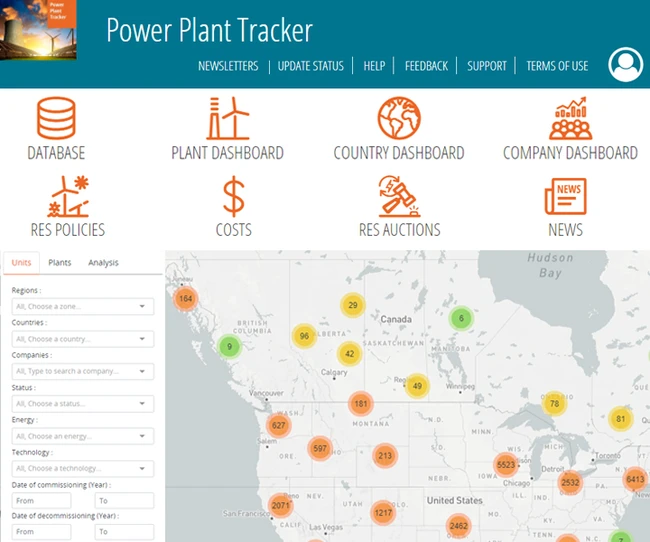
Interested in Power Plants?
Enerdata has developed a market research service to screen, monitor and analyse the development of power generation assets.
Power Plant Tracker offers an interactive database and a powerful search engine covering power plants worldwide – including both installed and planned capacities for renewables and fossil fuels.