The eastern Chinese province of Shandong (100 million inhabitants), one of the most industrialised provinces of the country, has decided to cut its coal consumption by 50 Mt in five years, in an attempt to switch to cleaner energies and to reduce its greenhouse gas (GHG) emissions. This would correspond to a 13% cut, based on the coal consumption target set for 2018 (378 Mt). In 2018, the province pledged to cut its coal consumption from more than 382 Mt in 2017 to 368 Mt in 2020. It also plans to halve its coal production, from 144 Mt in 2015 to 60 Mt by 2030.
In 2018, 96% of the power generation in Shandong came from fossil fuels, mainly coal. In May 2019, the National Energy Administration (NEA) of China set mandatory renewable power quota for each of its provinces for 2019 and 2020, requiring local grid companies to buy a defined volume of renewable electricity: Shandong was mandated to reach 10% renewable electricity in 2019 and 11% in 2020.
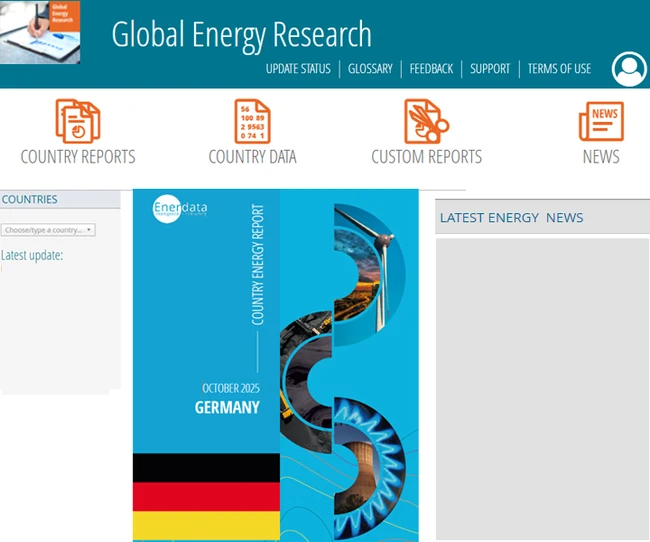
Interested in Global Energy Research?
Enerdata's premium online information service provides up-to-date market reports on 110+ countries. The reports include valuable market data and analysis as well as a daily newsfeed, curated by our energy analysts, on the oil, gas, coal and power markets.
This user-friendly tool gives you the essentials about the domestic markets of your concern, including market structure, organisation, actors, projects and business perspectives.