The Oil and Gas Regulatory Authority (OGRA) of Pakistan has proposed significant increases in regulated prices for gas supplied by the two main gas suppliers: the OGRA recommended to increase prices from Sui Southern Gas Company by 28% and those from Sui Northern Gas Pipelines by as much as 47% and to rationalise tariff structures that benefit some customer categories. The price increase, which is lower than what the companies asked for, will have to be approved by the government before taking effect.
Energy prices are controlled by the government and subsidies offered to residential and industrial consumers limit cash availability for gas suppliers. Energy prices are a sensitive matter, especially as power supply suffers from repeated outages. In September 2018, the OGRA had already proposed to raise gas tariffs by 46% but that decision was scrapped by the Economic Coordination Committee (ECC), on grounds that the price hike might have an impact on the country's poorer citizens. Domestic gas prices were then raised by 20%.
Pakistan is facing a ballooning deficits and a looming balance of payment crisis, with the rupee down by nearly 1/3 since January 2018 and inflation rates of more than 8%. The country has just signed a preliminary US$6bn loan agreement with the International Monetary Fund (IMF), under the terms of which Pakistan would agree a comprehensive plan for cost-recovery in the energy sector, cutting subsidies and raising electricity and gas prices.
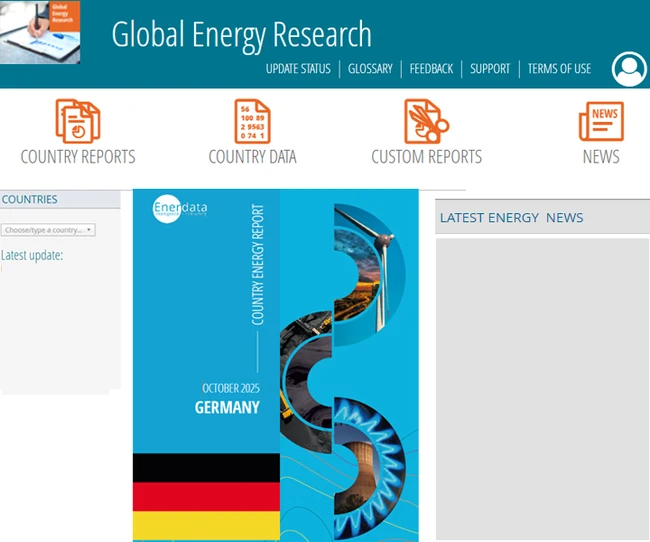
Interested in Global Energy Research?
Enerdata's premium online information service provides up-to-date market reports on 110+ countries. The reports include valuable market data and analysis as well as a daily newsfeed, curated by our energy analysts, on the oil, gas, coal and power markets.
This user-friendly tool gives you the essentials about the domestic markets of your concern, including market structure, organisation, actors, projects and business perspectives.