Kuwait will review its subsidy system (on petrol, electricity, water, but also on housing and food for Kuwaiti nationals), which is estimated to cost more than US$15.9bn/year to the state budget. According to the IMF, state expenditures could exceed oil revenues as early as 2017, while the government believes the budget deficit could occur in 2021. The subsidy programme (including non-energy subsidies such as tuition fees, marriage grants or fishermen and farmer financial support) accounts for about 22% of the annual budget.
Oman is also considering reducing energy subsidies. In early 2013, the country announced that it planned to double its industrial gas prices to US$3/MMBtu by 2015. Energy prices in Oman remain cheap by international standards and trucks from the United Arab Emirates are used to purchase oil over the border. In 2010, the UAE had hiked its domestic gasoline price to US$0.47/l but froze any additional price increase after the Arab Spring.
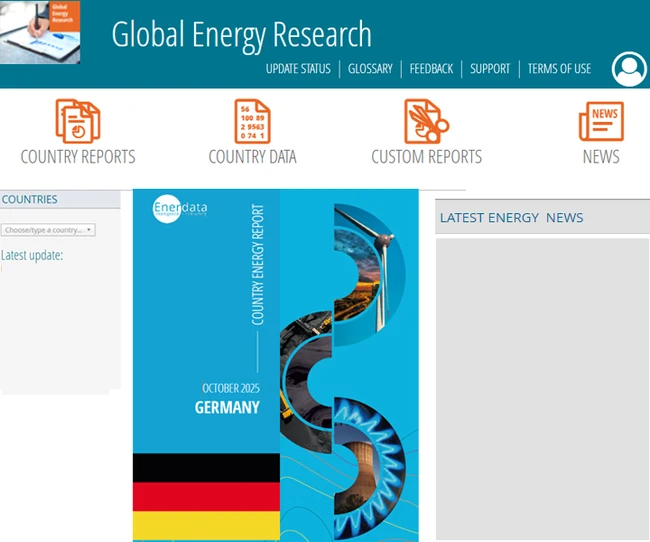
Interested in Global Energy Research?
Enerdata's premium online information service provides up-to-date market reports on 110+ countries. The reports include valuable market data and analysis as well as a daily newsfeed, curated by our energy analysts, on the oil, gas, coal and power markets.
This user-friendly tool gives you the essentials about the domestic markets of your concern, including market structure, organisation, actors, projects and business perspectives.