The Nigerian Government has slashed electricity subsidies by 35% through a targeted increase in tariffs for heavier users (about 15% of Nigerian customers). The tariff hike, introduced in 2024, targeted households and businesses with high electricity consumption and eliminated subsidies for major consumers, which has driven a 70% surge in market revenue of about NGN700bn (US$440m).
In April 2024, NERC approved a tariff increase for Band A consumers from NGN66/kWh (US$5c/kWh) to NGN225/kWh (US$17c/kWh), corresponding to a 3.4-fold increase. The Band A category represents 15% of the country’s 12 million electricity consumers that enjoy at least 20-hour power supply and account for around 40% of Nigeria’s electricity consumption.
The subsidy cut is part of the country's broader reform strategy to attract investors to its power sector. Nigeria also plans to clear half of the NGN4tn (US$2.5bn) debt held by generating companies that have had trouble recovering costs or settling payments in a context of low state-controlled tariffs, poorly maintained grids and vandalism.
At the end of 2023, Nigeria had a total electricity capacity of over 14 GW, of which only about a third was effectively available (4.5 GW in 2023, according to NERC) because of gas constraints, obsolete equipment and poor management of the infrastructures.
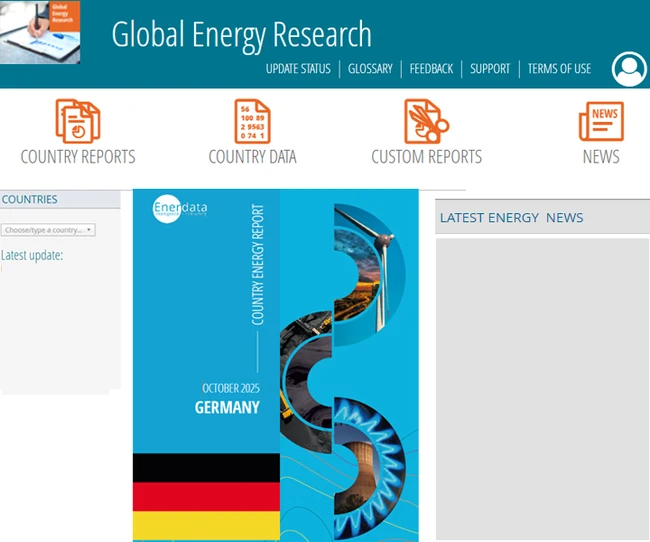
Interested in Global Energy Research?
Enerdata's premium online information service provides up-to-date market reports on 110+ countries. The reports include valuable market data and analysis as well as a daily newsfeed, curated by our energy analysts, on the oil, gas, coal and power markets.
This user-friendly tool gives you the essentials about the domestic markets of your concern, including market structure, organisation, actors, projects and business perspectives.