According to the United States Energy Information Administration (EIA), around 50% of the newly added utility-scale power generation capacity in the United States (around 25 GW) are based on renewable technologies such as wind and solar power. Another 3.5 GW of small-scale solar net capacity additions are estimated to have been commissioned in 2017.
This 50% figure is lower then in 2016 (62%) and 2015 (67%) and is mostly made up of wind power. Most of the renewable generation capacity added in 2017 comes from the Western States, which accounted for the majority of the solar and hydroelectric new capacity, while the wind power capacity is more evenly spread across the country.
Besides, power generation from utility-scale renewable energies (including solar, wind and hydropower) took over nuclear generation between March and May 2017 for the first time since 1984. In March alone, power generation from wind and solar (including utility-scale plants and small-scale systems) exceeded 10% of total electricity generation in the United States.
Interested in Power Plants?
Enerdata has developed a market research service to screen, monitor and analyse the development of power generation assets.
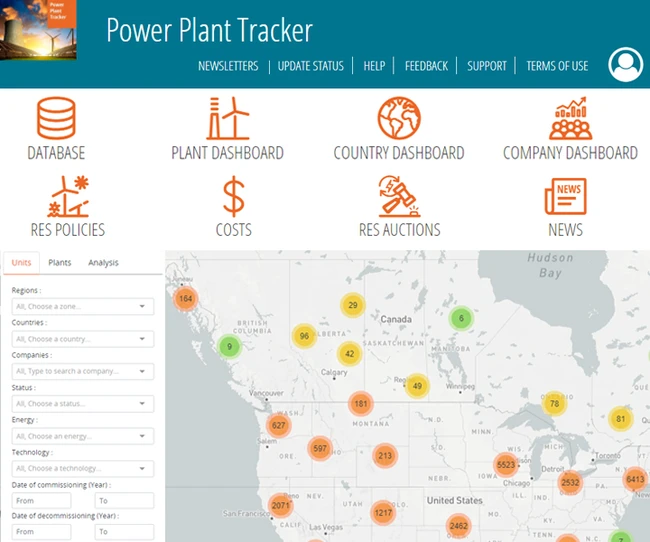
Power Plant Tracker offers an interactive database and a powerful search engine covering power plants worldwide – including both installed and planned capacities for renewables and fossil fuels.