The Japanese power utility Hokuriku Electric aims to restart the 1,108 MW Shika-2 nuclear reactor in north-western Japan between January and March 2026, in an attempt to improve regional power supply and to improve its financial structure. The reactor, which was commissioned in March 2006, has been shut down since the Fukushima disaster in March 2011, along with the 505 MW Shika-1 reactor (commissioned in July 1993 and also mothballed in March 2011).
Japan’s reliance on nuclear power was reduced following the Fukushima accident, dropping from 25% of the power mix in 2010 to 1% in 2015, and back to 5.3% in 2022. Before the accident, there were 54 reactors spread over 17 power plants (49 GW in 2010 against 33 GW in 2022).
In February 2023, the Japanese Government approved a new green transformation policy that paves the way for the construction of new advanced nuclear reactors in the country. In June 2023, the Japanese parliament enacted a law to allow nuclear reactors in Japan to operate beyond their current limit of 60 years, in order to help cut greenhouse gas emissions and ensure a sufficient energy supply for the country. The newly approved bill will nuclear reactors to operate after the 60-year limit if the demand is approved by Ministry of Economy, Trade and Industry (METI) and is subject to regular inspections by Japan’s Nuclear Regulation Authority (NRA).
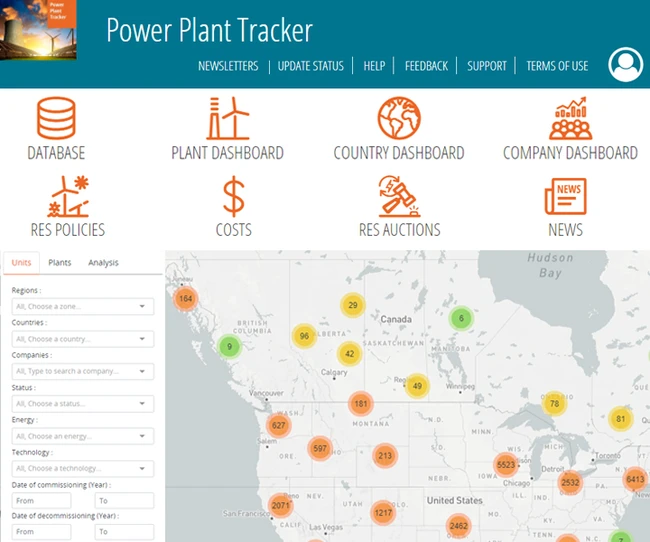
Interested in Power Plants?
Enerdata has developed a market research service to screen, monitor and analyse the development of power generation assets.
Power Plant Tracker offers an interactive database and a powerful search engine covering power plants worldwide – including both installed and planned capacities for renewables and fossil fuels.