The Japanese government has released a new version of the Basic Energy Plan (2002), in the wake of the latest Energy White Paper submitted by the Ministry of Economy, Trade and Industry (METI) in May 2018. The Basic Energy Plan aims to increase the domestic energy self-sufficiency to 24% by 2030 compared with 8% in 2016 and to cut Japan's carbon dioxide (CO2) emissions by 26% by 2030 (and 80% by 2050) compared to 2013 levels.
According to the Basic Energy Plan, 22-24% of Japan's power generation will come from renewable energy sources such as wind and solar by 2030, with nuclear power accounting for 20%-22%, coal for 26%, LNG for 27% and oil for just 3%. The renewable objective (22-24%) is criticized and perceived by many as low and unambitious, while nuclear power will remain "an important baseload power source that contributes to the stability of the long-term energy supply and demand structure". This reflects the government's commitment to the domestic nuclear industry in spite of growing concerns which emerged in the wake of the 2011 Fukushima nuclear disaster.
Interested in Global Energy Research?
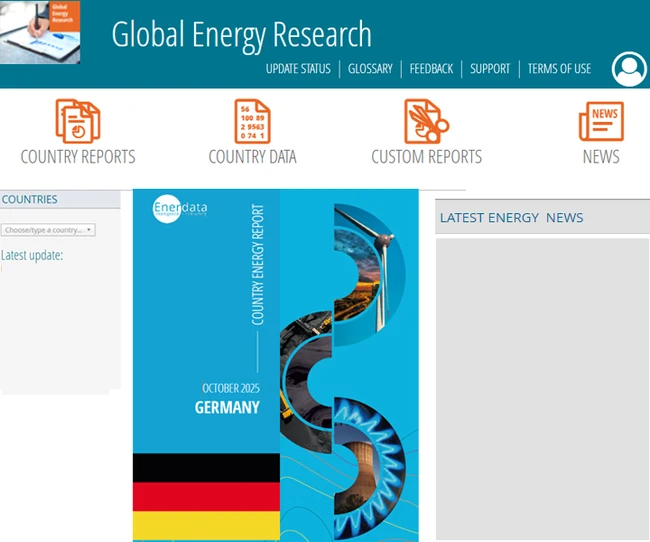
Enerdata's premium online information service provides up-to-date market reports on 110+ countries. The reports include valuable market data and analysis as well as a daily newsfeed, curated by our energy analysts, on the oil, gas, coal and power markets.
This user-friendly tool gives you the essentials about the domestic markets of your concern, including market structure, organisation, actors, projects and business perspectives.