The Intergovernmental Panel on Climate Change (IPCC) has updated its methodology of estimation of greenhouse gas emissions (GHG) and removals through the publication of the 2019 Refinement to the 2006 IPCC Guidelines on National Greenhouse Gas Inventories. As nations are meant to report national GHG emissions to the United Nations Framework Convention on Climate Change (UNFCCC) the new methodology is expected to improve transparency and ensure reporting is done based on the latest science.
The new methodology highlights the GHG emission sources including new technologies and production processes that have emerged and have sufficiently developed since the 2006 IPCC Guidelines. It also provides updated default values of emission factors (used to link the emission of a GHG gas for a particular source to the amount of activity causing the emission).
In the Energy Volume methodological updates were made within the fugitive emissions categories to include guidance on fugitive CO2 emissions from underground and surface mines including CO2 from methane utilization or flaring from underground coal mines. It included year-specific default input values for fugitive CH4 emissions from abandoned underground mines for 2017 through 2050. It also includes methods and emission factors for abandoned wells and a new section on fugitive emissions from fuel transformation.
In the Industrial Processes and Product Use Volume, the 2019 Refinement includes hydrogen production, rare earth metals, and alumina, and waterproofing of circuit boards. A basis for future methodological development for the fluorinated treatment of textiles, carpet, leather and paper is also included.
Additional greenhouse gases have been identified including additional hydrofluorocarbons, perfluorocarbons, and halogenated ethers (PFPMIE for instance).
For electronics, the report includes an expanded list of input gases, by-products, and fluorinated liquids as well as new guidance on tracking gas consumption and on apportioning use to different processes.
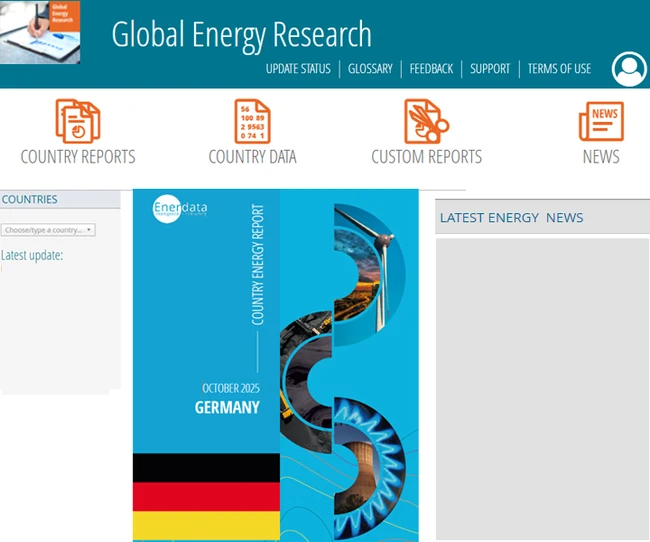
Interested in Global Energy Research?
Enerdata's premium online information service provides up-to-date market reports on 110+ countries. The reports include valuable market data and analysis as well as a daily newsfeed, curated by our energy analysts, on the oil, gas, coal and power markets.
This user-friendly tool gives you the essentials about the domestic markets of your concern, including market structure, organisation, actors, projects and business perspectives.