Indonesia has issued a regulation meant to encourage renewable energy use and retire some coal plants early. The regulation says that no new coal power plants can be built, but those that are already in the pipeline and those that are integrated with the natural resources processing industry (if they power refineries or metal smelters for example) will be allowed to go ahead as planned. However, emissions by new coal power plants must be reduced by 35% within 10 years of operation compared to average coal plant emissions in 2021, and they can only be operated up to 2050.
The regulation also plans to set a new pricing system for each type of renewable energy in order to encourage renewable investment in the country. Fiscal incentives, such as tax cuts, financing of facilities and easing of licensing in forest areas, will also be given to promote and enhance renewable energy development in Indonesia.
In 2021, coal dominated Indonesia’s power mix with 39.5 GW (50%) and its power generation with 190 TWh (62%). The country is also the world’s first coal exporter and the third largest producer (592 Mt in 2021). Indonesia aims to increase the proportion of renewables in its energy mix to 23% by 2025 and achieve net-zero emissions by 2060.
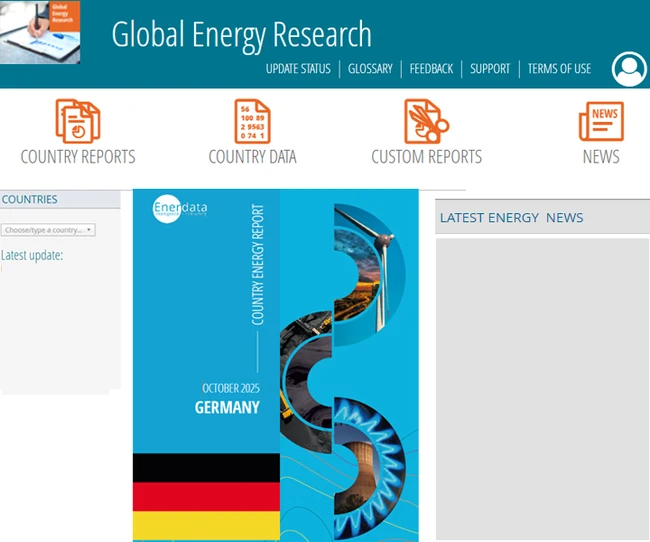
Interested in Global Energy Research?
Enerdata's premium online information service provides up-to-date market reports on 110+ countries. The reports include valuable market data and analysis as well as a daily newsfeed, curated by our energy analysts, on the oil, gas, coal and power markets.
This user-friendly tool gives you the essentials about the domestic markets of your concern, including market structure, organisation, actors, projects and business perspectives.