India, the third largest CO2 emitter worldwide (more than 4% of global greenhouse gas emissions), has ratified the COP21 Paris agreement on climate change, paving the way for the agreement to enter into force by the end of 2016.
The Paris agreement, adopted in December 2015, binds each country to cut down on carbon emissions and requires to be ratified by at least 55 countries representing at least 55% of global CO2 emissions, with India's ratification, 62 countries accounting for 52% of global emissions have ratified the deal so far. The 55% threshold will be reached with the upcoming ratification by the European Union, expected in early October 2016.
Under the agreement, India has agreed to reduce its emission intensity (CO2 emissions per unit of GDP) by at least 33% by 2030 compared to 2005 level and to generate at least 40% of its electricity from non-fossil fuel sources by this date. This includes a target of 175 GW of renewable energy capacity by 2022 (mainly from solar), from the current 38 GW, and a ten-fold expansion of the nuclear capacity (from 6 GW to 63 GW, which seems ambitious due to nuclear opposition in the country). Finally, India aims to create an additional carbon sink of about 2.5-3 GtCO2. India estimates climate actions to require US$2,500bn and bets on technology transfers and financial assistance from richer countries to reach its targets.
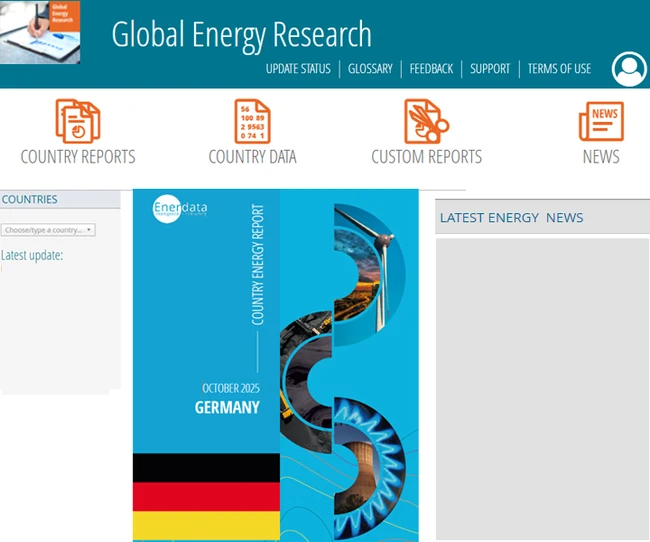
Interested in Global Energy Research?
Enerdata's premium online information service provides up-to-date market reports on 110+ countries. The reports include valuable market data and analysis as well as a daily newsfeed, curated by our energy analysts, on the oil, gas, coal and power markets.
This user-friendly tool gives you the essentials about the domestic markets of your concern, including market structure, organisation, actors, projects and business perspectives.