India has raised its renewable energy capacity target for 2022, from 175 GW to 227 GW, considering that the current 175 GW target would be exceeded and that the increasing domestic demand would push for the development of hydropower and solar projects.
In March 2019, state-held Solar Energy Corporation of India (SECI) issued three tenders for the expansion of renewable capacity in India: one for setting up to 1,200 MW of solar power projects connected to the Interstate Transmission system (ISTS), one for developing 1,200 MW of ISTS grid-connected solar-wind hybrid power projects and one for developing 1,200 MW of grid-connected solar power projects with 3,600 MWh storage.
Hydropower projects are also planned. In March 2019 as well, state-held hydropower producer National Hydroelectric Power Corporation (NHPC) announced plans to raise its installed power generation capacity by approximately 30% by 2022 to reach a total of 10 GW. The company plans to spend INR38bn (US$544m) for the fiscal year to March 2020 as a first step to reach this objective.
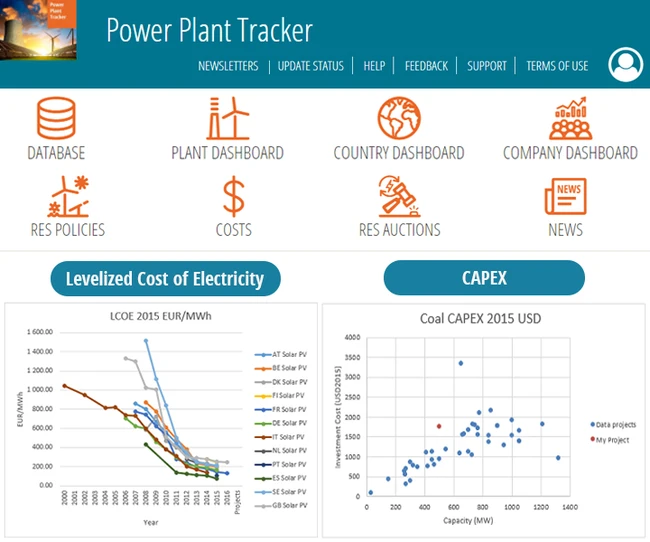
Searching for proven generation costs?
Then CAPEX & LCOE is the database you need. The module provides exclusive insights on both Capital Expenditure and Levelised Cost of Electricity.
Make informed decisions in terms of which technologies to invest in and where. In just a few clicks, access unique, premium data on both thermal and renewable power generation costs by technology and by country. Put our detailed, reliable information to use and benchmark your project.