The southern province of Guandong (China) plans large investments in gas and renewable technologies to cut oil and coal consumption, in an attempt to slow rampant growth in greenhouse gas (GHG) emissions. The province plans to cut the share of oil and coal in its energy mix to 60.6% by 2015, from 73% in 2010, in order to cut the CO2 intensity (CO2 emissions per unit of GDP) by 19.5% from 2010 levels. Between 2005 and 2010, GHG emissions in Guangdong rose by nearly 33%, reaching 580 MtCO2eq in 2010. To meet this GHG cut target, Guangdong will have to cap energy consumption at 359 Mtce by 2015 (a 61% increase in consumption compared to 2010) and to double the share of gas in its energy mix to 13.2% by 2015, and to raise the share of CO2-free energies (renewables, nuclear and imported electricity) to 26% by 2015 (from 19% in 2010). New capacities will be added, including 8.8 GW in nuclear capacity, 2.75 GW in wind power and 1 GW in solar capacity. New coal-fired projects near the Pearl River delta will remain banned, as announced in 2013. In December 2013, Guangdong launched an emission trading scheme.
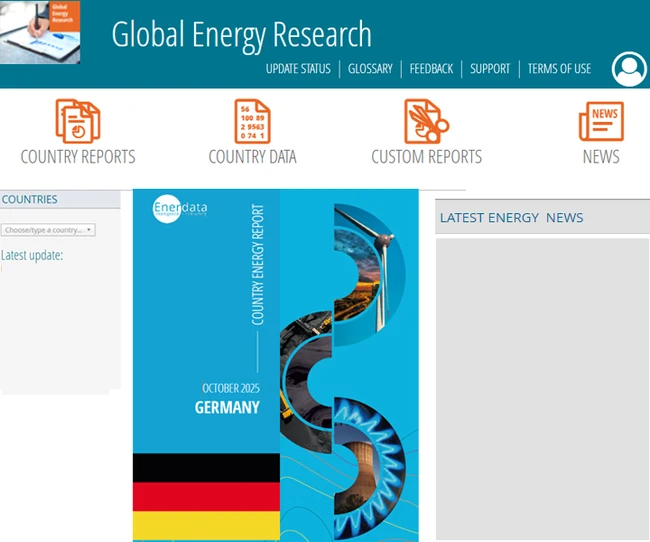
Interested in Global Energy Research?
Enerdata's premium online information service provides up-to-date market reports on 110+ countries. The reports include valuable market data and analysis as well as a daily newsfeed, curated by our energy analysts, on the oil, gas, coal and power markets.
This user-friendly tool gives you the essentials about the domestic markets of your concern, including market structure, organisation, actors, projects and business perspectives.