The new carbon market introduced in the Guangdong province (south of China) in 2013 is facing strong resistances from industrial companies, as more than 60 manufacturers are holding back from the carbon scheme, claiming that they are already paying other pollution taxes on SO2, waste water, or solid waste. Under the Guangdong scheme, industrial receive 97% of the permits for free and have to buy the remaining 3% in auctions at a minimum price of Cyu 60 each (US$9.63); however, in the last auction for 2013, 64 of the 242 companies covered by the scheme had not bought any carbon permit (about 700,000 permits, representing at least US$6.7m). Some companies have demanded the removal of the 3% purchase obligation; the government may arrange an extra auction to give companies the opportunity to buy their missing permits.
Six cities and provinces of China have already introduced pilot carbon markets: the Hubei province auctions a share of the permits, without any minimum requirement and for a Cyu 20 minimum price (US$3.21); the other four pilot schemes, in the city of Beijing and in the provinces of Shanghai, Shenzhen and Tianjin, issue carbon permit for free. China aims to create a nationwide scheme by 2020.
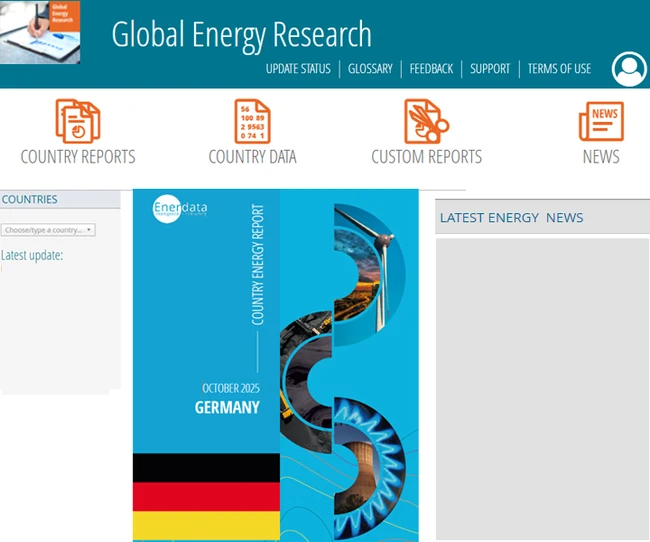
Interested in Global Energy Research?
Enerdata's premium online information service provides up-to-date market reports on 110+ countries. The reports include valuable market data and analysis as well as a daily newsfeed, curated by our energy analysts, on the oil, gas, coal and power markets.
This user-friendly tool gives you the essentials about the domestic markets of your concern, including market structure, organisation, actors, projects and business perspectives.