According to International Renewable Energy Agency (IRENA), direct energy subsidies could decline by 25% from US$634bn in 2017 to US$475bn by 2050. Most of the existing direct energy subsidies are directed to fossil fuels (70%, i.e. US$447bn, including US$220bn for oil products and US$128bn for thermal power generation), followed by subsidies to renewables (20%, US$128bn), biofuels (6%, US$38bn) and nuclear (3%, US$21bn).
The IRENA estimates that fossil fuel subsidies could fall by 69% to US$139bn by 2050, accounting for only 29% of total energy subsidies (from 70% in 2017) and they could be directed to carbon capture and storage (CCS). With the rising share of renewables in the power mix, renewable subsidies (for renewable power generation and biofuels) would increase by 26% from US$166bn to US$209bn by 2050, accounting for 44% of total subsidies (from 26% in 2017).
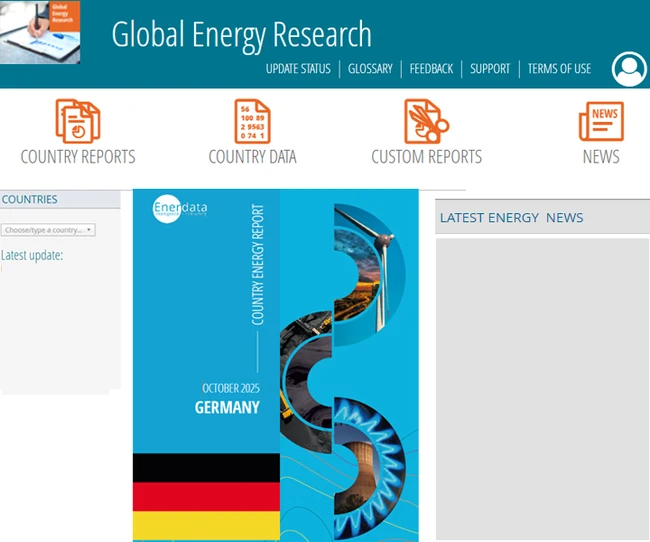
Interested in Global Energy Research?
Enerdata's premium online information service provides up-to-date market reports on 110+ countries. The reports include valuable market data and analysis as well as a daily newsfeed, curated by our energy analysts, on the oil, gas, coal and power markets.
This user-friendly tool gives you the essentials about the domestic markets of your concern, including market structure, organisation, actors, projects and business perspectives.