According to the International Energy Agency (IEA), global energy-related CO2 emissions remained stable in 2016, for the third consecutive year, thanks to rising renewable power generation, switches from coal to gas in the power sector, improvements in energy efficiency, as well as structural changes in the global economy.
According to the IEA, global CO2 emissions stood at 32.1 Gt in 2016, while the global economy grew by 3.1%, resulting in an improved carbon intensity (CO2 emissions per unit of GDP). This improvement was mainly attributable to the United States, where CO2 emissions contracted by 3% while the economy grew by 1.6% (higher renewable power generation and surge in gas supplies to the detriment of coal), and to China, where emissions dipped by 1% in 2016 (lower coal demand) while the economy grew by 6.7%. Renewable power generation (mainly hydro and wind power) and nuclear generation (five new reactors commissioned, boosting nuclear generation by 25%) covered 2/3 of China's electricity demand growth. In the European Union, emissions were stable, as coal demand contracted by 10%, while gas demand rose by 8%.
Over the last three years, CO2 emissions and economic activity have continued to decouple, thanks to technology cost reductions and concerns about climate change and air pollution.
This announcement is in line with the first 2016 estimates Enerdata published in January 2017.
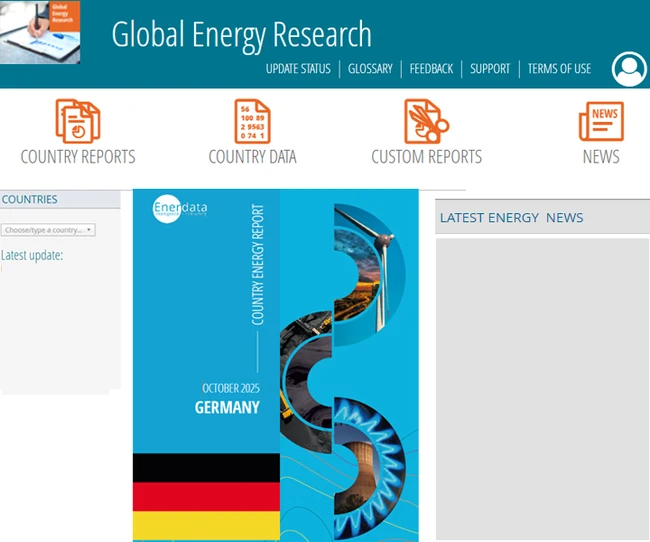
Interested in Global Energy Research?
Enerdata's premium online information service provides up-to-date market reports on 110+ countries. The reports include valuable market data and analysis as well as a daily newsfeed, curated by our energy analysts, on the oil, gas, coal and power markets.
This user-friendly tool gives you the essentials about the domestic markets of your concern, including market structure, organisation, actors, projects and business perspectives.