Germany's ruling coalition has agreed to changes to a bill on phasing out oil and gas heating systems. The proposed bill, which still need approval from the parliament, includes a provision stating that the rule requiring old buildings to switch to heating systems running on 65% renewable energy will initially only apply if there is a municipal plan in place for the heating supply in the area. Germany aims to establish a nationwide municipal heating plan by 2028. New heating systems installed in new development areas will still have to run on 65% renewable energy as of 2024.
To facilitate the process, the government will offer subsidies, including a 30% subsidy for residential properties occupied by owners and an additional 10% for early adoption of climate-friendly heating systems. Regardless of household income, owners receiving income-related welfare benefits may be eligible for an extra 20% subsidy.
The original draft estimated the cost to Germans at approximately €9.16bn/year until 2028, which is projected to decrease to €5bn/year euros from 2029 onwards as renewable energy and heating pump production become more affordable. The government is expected to provide around €1.5bn/year in annual support for the transition.
The country is pushing for a faster transition to climate-friendly heating systems as part of its goal to achieve climate neutrality by 2045.
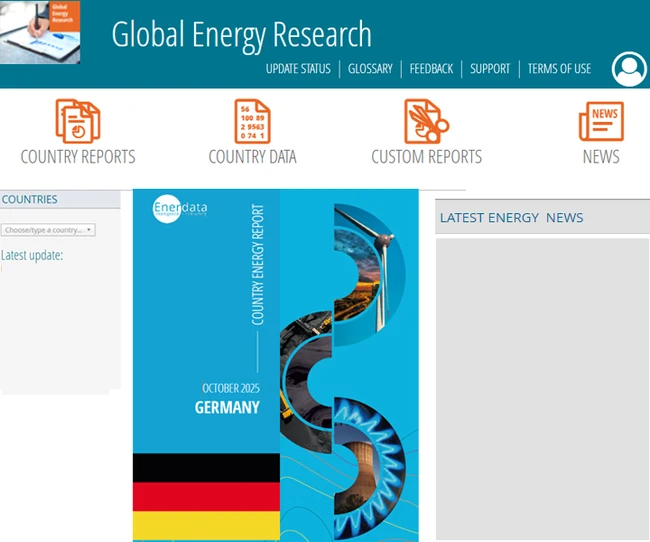
Interested in Global Energy Research?
Enerdata's premium online information service provides up-to-date market reports on 110+ countries. The reports include valuable market data and analysis as well as a daily newsfeed, curated by our energy analysts, on the oil, gas, coal and power markets.
This user-friendly tool gives you the essentials about the domestic markets of your concern, including market structure, organisation, actors, projects and business perspectives.