The Bundesrat (upper house of the German Parliament) has approved Germany's climate package that was approved by the Cabinet in September 2019. The revised version will take effect on 1 January 2020 and is expected to help the country meeting its target to reduce greenhouse gas (GHG) emissions by 55% by 2030, compared with 1990 levels.
Germany will introduce a national price of €25/t of CO2 emissions in the transport and construction sectors as of 2021, which will be raised to €55/t by 2025, before being incorporated into an EU-wide emission trading system (ETS); the initial package had planned a €10/tCO2 price.
The climate package also includes subsidies for electric cars and tax incentives for cleaner electricity, housing and heating. Energy-saving home renovation will benefit from tax credits and the renewable electricity surcharge (EEG) should be reduced for end consumers, lowering electricity prices. Where transports are concerned, flights will become more expensive, while long-distance rail tickets should become around 10% cheaper. It includes compensation for the losses in tax revenues for federal states bearing the costs (cost of lowering taxes on long-distance trains, tax benefits for energy-saving home renovations and increase in the commuters allowance).
Interested in Global Energy Research?
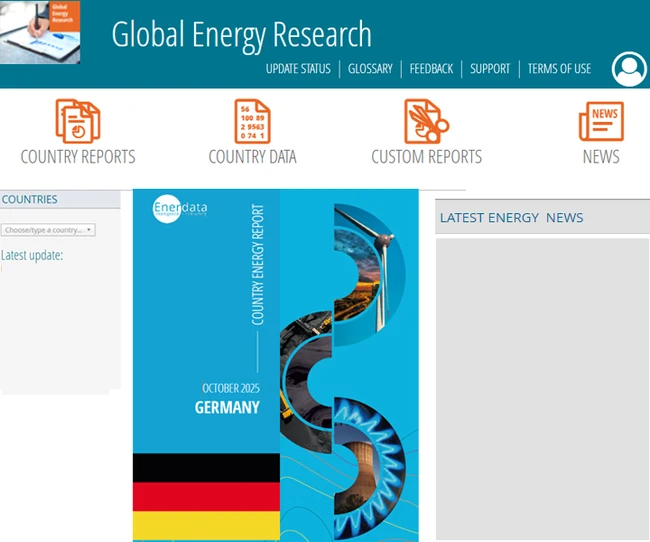
Enerdata's premium online information service provides up-to-date market reports on 110+ countries. The reports include valuable market data and analysis as well as a daily newsfeed, curated by our energy analysts, on the oil, gas, coal and power markets.
This user-friendly tool gives you the essentials about the domestic markets of your concern, including market structure, organisation, actors, projects and business perspectives.