Germany's Energiewende, i.e. its energy transition plan from nuclear power to renewables, could cost up to €1,000bn by the end of the 2030s. Feed-in tariffs supporting renewable energy could account for over 2/3 of the cost and would alone cost €680bn by 2020. The German government is considering reducing feed-in tariffs for new installations, aiming at saving up to €200bn over the next 20 years.
Germany's Energiewende, or energy transition, was introduced after the country's government decided to phase out nuclear power in reaction to the accident at Japan's Fukushima Daiichi nuclear power plant in March 2011. At the time, Germany was obtaining around a quarter of its electricity from 17 nuclear reactors. Eight reactors were ordered to shut immediately by the government, while the remaining nine reactors will now face closure by 2022 at the latest. The country intends to establish a renewable generation share of 20% by 2020. Fossil fuels are expected to meet the remaining 80% after the final nuclear power plants shut down.
Interested in Global Energy Research?
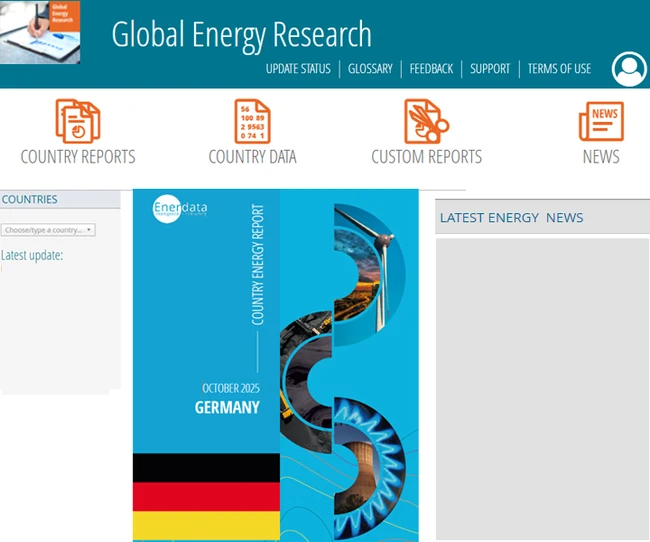
Enerdata's premium online information service provides up-to-date market reports on 110+ countries. The reports include valuable market data and analysis as well as a daily newsfeed, curated by our energy analysts, on the oil, gas, coal and power markets.
This user-friendly tool gives you the essentials about the domestic markets of your concern, including market structure, organisation, actors, projects and business perspectives.