The Japanese Atomic Energy Agency (JAEA) has started to remove fuel assemblies from a sodium-filled storage tank at the 280 MWe prototype plutonium-burning Monju fast-breeder reactor (FBR), which has been operating only 250 days since its commissioning in 1995. These assemblies will then be placed in a water-filled pool and pave the way for the removal of assemblies from the reactor itself. Estimations of the decommissioning are expected to total at least JPY375bn (US$3.2bn) and the process will take at least 30 years.
The Japanese government and the Nuclear Regulation Authority (NRA) approved JAEA's decommissioning plans in June 2018 and March 2018, respectively.
The Monju FBR is a MOX-fed reactor, which was supposed to produce more fuel than it consumes and thus helps Japan with energy security and nuclear waste management. Instead, the Monju reactor run only 205 days in 1995 before being stopped due to a sodium leak, and another 45 days in 2010 before being stopped again due to refuelling equipment falling into the reactor vessel. At that point, the Japanese Nuclear Regulation Authority (NRA) did not allow it to restart and stated that the JAEA was not competent to operate the facility.
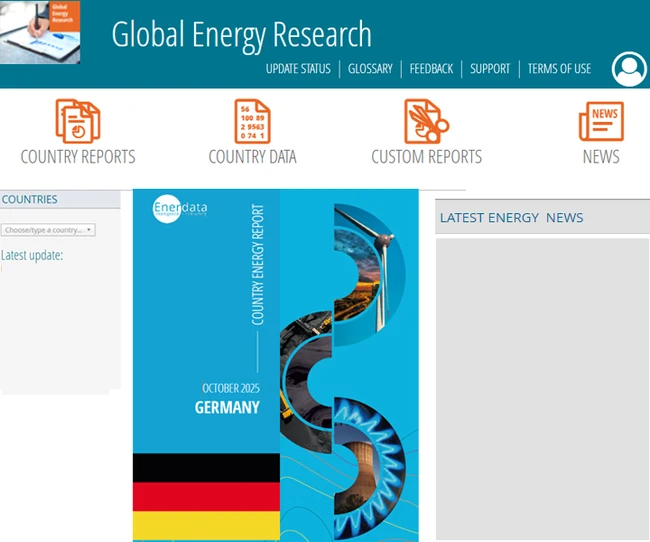
Interested in Global Energy Research?
Enerdata's premium online information service provides up-to-date market reports on 110+ countries. The reports include valuable market data and analysis as well as a daily newsfeed, curated by our energy analysts, on the oil, gas, coal and power markets.
This user-friendly tool gives you the essentials about the domestic markets of your concern, including market structure, organisation, actors, projects and business perspectives.