According to the OECD, government support for the production and consumption of fossil fuels (coal, oil, gas and petroleum products) in 77 economies declined by 18% from US$582bn in 2018 to US$478bn in 2019, mostly due to a drop in global oil prices reducing consumption subsidies. However, support for fossil fuel production and consumption rose by 10% in 44 OECD and G20 countries to US$178bn in 2019, mostly through investments in infrastructure, budgetary support to absorb corporate debt or preferential tax treatment for spending on production. Subsidies to fossil fuel production rose by 38% in this countries.
G20 countries pledged in 2009 to gradually phase out inefficient fossil fuel subsidies, but total fossil fuel subsidies continued to rise over the 2010-2013 period, before declining until 2018. In 2019, fossil fuel subsidies mainly covered production and transport (US$54bn each), followed by households (US$28bn), power generation (US$8bn) and other sectors (US$34bn).
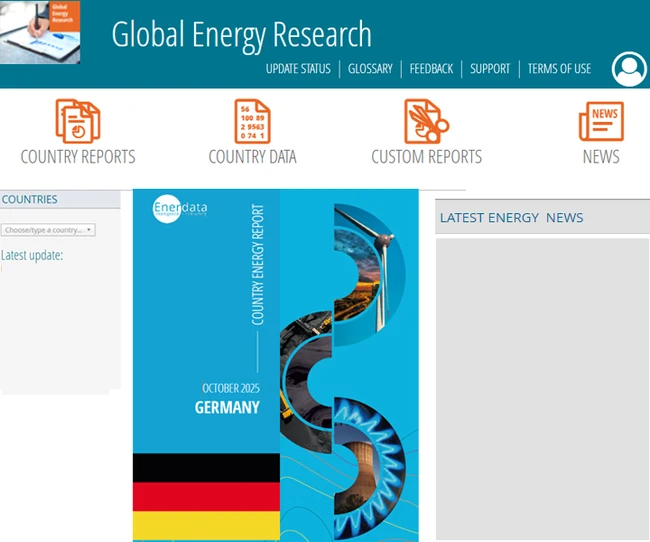
Interested in Global Energy Research?
Enerdata's premium online information service provides up-to-date market reports on 110+ countries. The reports include valuable market data and analysis as well as a daily newsfeed, curated by our energy analysts, on the oil, gas, coal and power markets.
This user-friendly tool gives you the essentials about the domestic markets of your concern, including market structure, organisation, actors, projects and business perspectives.