See also

Energy Performance of Buildings Directive: A missed opportunity to set clear targets for buildings?
In March, EU lawmakers adopted the final version of the Energy Performance of Buildings Directive.
This brief reviews the directive's development and evaluates the repercussions of postponing the prohibition on gas boiler sales, employing two sensitivity analyses based on Enerdata's CEDF scenarios.
The European Parliament, the Council and the Commission have reached an agreement on new rules for improving the energy performance of buildings. The improvements agreed include measures to strengthen the energy performance of new buildings, to accelerate the rate of building renovation towards more energy efficient systems and tapping into the huge potential for efficiency gains in the building sector, the largest single energy consumer in Europe.
The updated Energy Performance of Buildings Directive (EPBD), which will have to be formally approved by the European Parliament and the Council in the coming months, aims at creating a clear path towards a low and zero emission building stock in the EU by 2050 underpinned by national roadmaps to decarbonise buildings. It will support the use of information and communication technology (ICT) and smart technologies such as building automation and control systems and will support the roll-out of e-mobility infrastructure.
The European Union has committed to cut CO2 emissions by at least 40% by 2030 and aims to tackle energy-inefficient buildings (about 75% of the European building stock). To boost renovation, the EPBD will revise guidance for energy performance contracts (EPCs) to help the building sector increase the necessary investments.
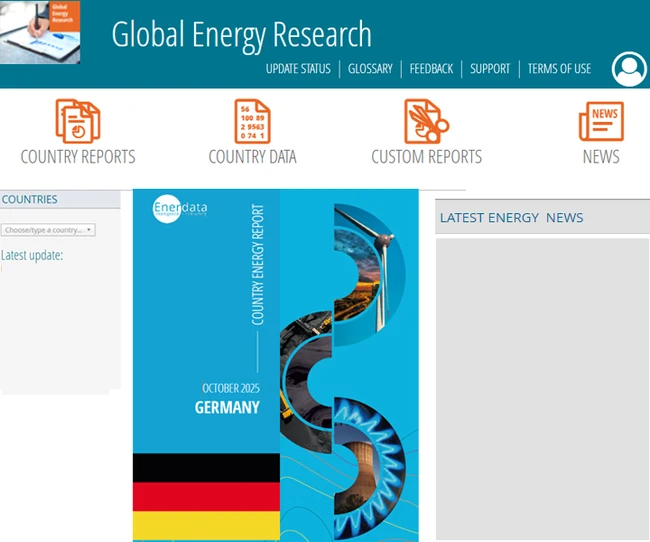
Interested in Global Energy Research?
Enerdata's premium online information service provides up-to-date market reports on 110+ countries. The reports include valuable market data and analysis as well as a daily newsfeed, curated by our energy analysts, on the oil, gas, coal and power markets.
This user-friendly tool gives you the essentials about the domestic markets of your concern, including market structure, organisation, actors, projects and business perspectives.