The European Council today has agreed on a proposal to revise the Energy Performance of Buildings Directive, which aims to make all new buildings zero-emission by 2030 and existing buildings zero-emission by 2050. Buildings account for 40% of energy consumed and 36% of energy-related direct and indirect greenhouse gas emissions in the EU.
Specifically, the European Council agreed that from 2028 new buildings owned by public bodies would be zero-emission buildings. In addition, from 2030, all new buildings would have to be zero-emission buildings. For existing buildings, the European Council decided to introduce minimum energy performance standards that would correspond to the maximum amount of primary energy that buildings can use per m2 annually. A first threshold would draw a line below the primary energy use of 15% of the worst-performing non-residential buildings in a member state. A second threshold would be set below 25%. Member states accepted to bring all non-residential buildings below the 15% threshold by 2030 and below the 25% threshold by 2034.
National building renovation plans that would contain a roadmap with national targets for 2030, 2040 and 2050 as regards the annual energy renovation rate, the primary and final energy consumption of the national building stock and its operational greenhouse gas emission reductions will have to be released by member states. The first plans would be issued by 30 June 2026 and every five years after that.
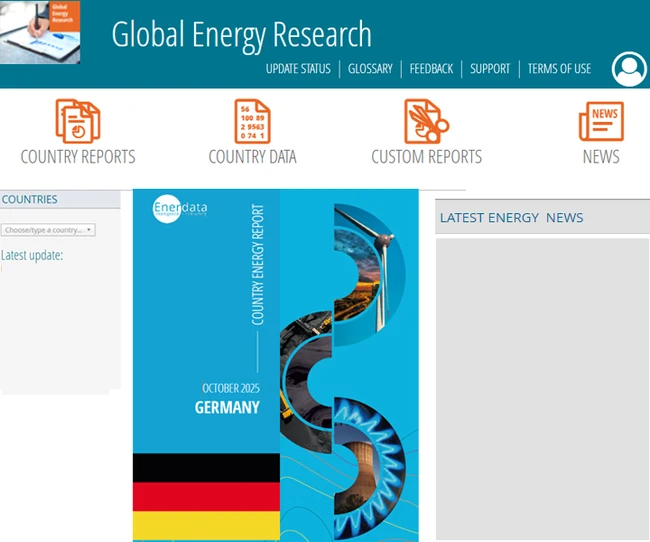
Interested in Global Energy Research?
Enerdata's premium online information service provides up-to-date market reports on 110+ countries. The reports include valuable market data and analysis as well as a daily newsfeed, curated by our energy analysts, on the oil, gas, coal and power markets.
This user-friendly tool gives you the essentials about the domestic markets of your concern, including market structure, organisation, actors, projects and business perspectives.