The European Commission has released a series of emergency measures aimed at tackling soaring energy prices in the EU, notably due to the Russian invasion of Ukraine and strained relationships with Russia.
First, the Commission proposes to reduce electricity demand by 5% during selected peak price hours. In addition, Member States would have to reduce overall electricity demand by at least 10% until 31 March 2023. These reductions are expected to lead to a reduction of gas consumption by 1.2 bcm over winter 2022-2023.
The regional institution also seeks to impose a temporary revenue cap on inframarginal electricity producers, namely for renewables, nuclear and lignite, which are providing electricity to the grid at a cost below the price level set by the more expensive marginal producers. The The inframarginal revenues would be capped at €180/MWh. Revenues above the cap will be collected by Member State governments and used to help energy consumers reduce their bills. Member States trading electricity are encouraged to conclude bilateral agreements before 1 December 2022 to share part of the revenues collected.
Third, the Commission is planning a temporary tax on excess profits generated from activities in the oil, gas, coal and refinery sectors. The tax would be collected by Member States (on 2022 profits which are above a 20% increase on the average profits of the previous three years) and redirected to energy consumers, in particular vulnerable households and struggling companies.
The plan is expected to raise €140bn, including €117bn from the temporary revenue cap on inframarginal electricity producers and €25bn from the temporary solidarity contribution based on taxable surplus profits made in the fiscal year 2022 on energy undertakings in the oil, gas, coal and refinery sectors. The proposals require a qualified majority vote in the Council to be approved. The electricity emergency tool should apply no later than 1 December 2022 and until 31 March 2023. The solidarity contributions of the fossil sector will be implemented for one year after entering into force.
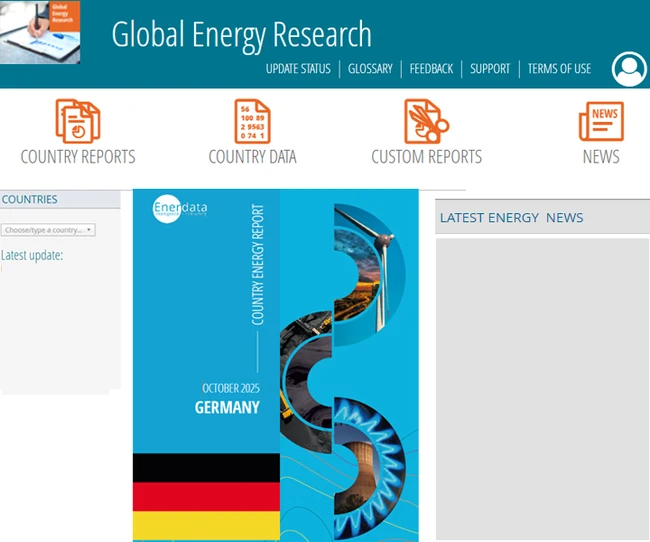
Interested in Global Energy Research?
Enerdata's premium online information service provides up-to-date market reports on 110+ countries. The reports include valuable market data and analysis as well as a daily newsfeed, curated by our energy analysts, on the oil, gas, coal and power markets.
This user-friendly tool gives you the essentials about the domestic markets of your concern, including market structure, organisation, actors, projects and business perspectives.