In a move to take aim at deforestation-linked products, the European Commission has proposed a new directive, which defines the sustainability criteria for crop-based biofuels and classifies palm oil biofuels as unsustainable. It proposes to cap the use of biofuels such as palm oil at 2019 levels until 2023 and then gradually reduce their use to zero by 2030. Besides, they would not be counted towards EU renewable energy objectives anymore.
This draft also defines the negative indirect impact that the production of biofuels may have due to Indirect Land-Use Change (ILUC), which can occur when agricultural or pasture land initially meant for food and feed market purposes is diverted to biofuel production. As food and feed demand still needs to be fulfilled, the development of biofuel crops indirectly leads to the extension of agriculture land into areas with high carbon stock such as forests, peatlands and wetlands. Then, it induces a rise in CO2 emissions that could offset and even negate emission savings from the use of biofuels instead of fossil fuels.
The European Commission pointed out that since 2008, 45% of the extra land used for palm oil production had previously been forested compared with 8% for soybeans and 1% for sunflowers. Nonetheless, the European Commission also provides some exemptions for some biofuels, bioliquids and biomass fuels, which would then be certified as low ILUC-risk. The text has now two months to be approved by the European Parliament and the European Council.
The issue causes controversy in palm oil producing countries such as Indonesia, which has threatened to challenge it at the World Trade Organization (WTO). Meanwhile, environmentalists criticised the plan for allowing a significant number of exceptions.
Interested in Global Energy Research?
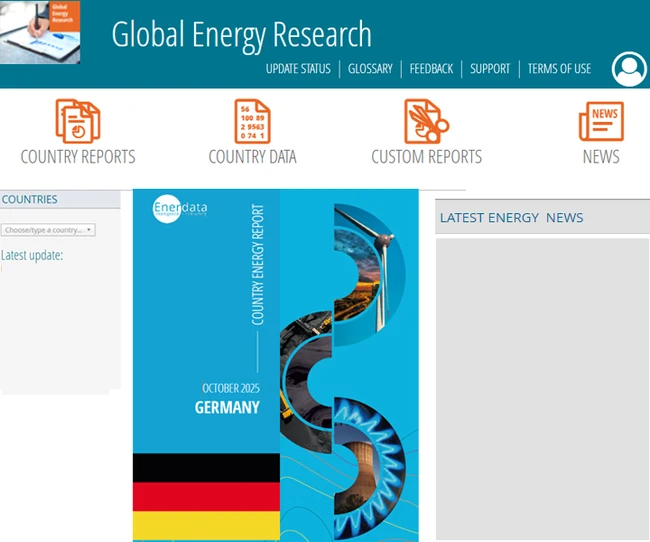
Enerdata's premium online information service provides up-to-date market reports on 110+ countries. The reports include valuable market data and analysis as well as a daily newsfeed, curated by our energy analysts, on the oil, gas, coal and power markets.
This user-friendly tool gives you the essentials about the domestic markets of your concern, including market structure, organisation, actors, projects and business perspectives.