The European Commission has approved a €5bn Polish power scheme for high-efficiency cogeneration and surcharge reductions for large-scale energy users. The CHP support scheme will last until 2028 and enables new and refurbished highly efficient combined heat and power installations connected to district heating networks in Poland to receive a premium on top of the market price for a maximum period of 15 years. It will also be used to finance the co-generation support scheme. The European Commission reckoned that the scheme will help integrate CHP into the electricity market and is in line with the European Union's environmental and climate goals. In addition, the European Commission considered that the proposed reductions in surcharges for energy-intensive users are in line with EU State aid rules; it had authorised reductions in contributions levied on energy-intensive companies active in some sectors and exposed to international trade.
Meanwhile, the European Commission has opened an investigation into capacity mechanism surcharge reductions for energy-intensive users. It had approved an electricity capacity mechanism in Poland under EU State aid rules in February 2018; Poland now considers introducing surcharge reductions for some energy intensive users to finance the capacity mechanism, which might lead to inefficiently higher demand of electricity in scarcity periods (if some users are exempted from these costs) and to igher needs for extra generation capacity to ensure security of supply in these periods.
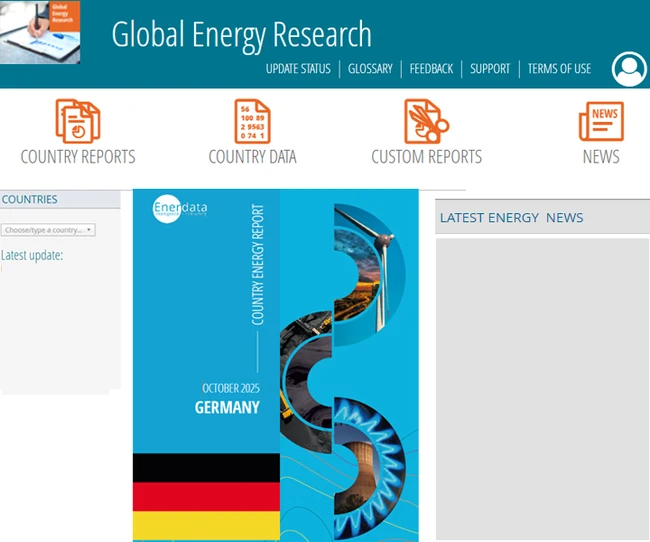
Interested in Global Energy Research?
Enerdata's premium online information service provides up-to-date market reports on 110+ countries. The reports include valuable market data and analysis as well as a daily newsfeed, curated by our energy analysts, on the oil, gas, coal and power markets.
This user-friendly tool gives you the essentials about the domestic markets of your concern, including market structure, organisation, actors, projects and business perspectives.