The European Commission has proposed new Euro 7 standards to reduce air pollution from new motor vehicles (cars, vans, lorries and buses) in the European Union in order to meet the new air quality standards proposed in late October 2022. The Euro 7 standards would replace the separate emission rules for cars and vans (Euro 6) and lorries and buses (Euro VI), tackling emissions from tailpipes, from brakes and tyres for all motor vehicles in a fuel- and technology-neutral way (same limits whatever the fuel used). In 2035, Euro 7 is expected to lower total NOx emissions from cars and vans by 35% compared to Euro 6, and by 56% compared to Euro VI from buses and lorries. Meanwhile, tailpipe particles should be lowered by 13% from cars and vans, and 39% from buses and lorries, while particles from the brakes of a car will be lowered by 27%. The proposal will now be submitted to the European Parliament and the Council.
In addition, the European Parliament has approved the inclusion of REPowerEU measures in national recovery plans to accelerate the green transition, tackle energy poverty, and support independence from Russian fossil fuels. EU countries submitting an amended recovery and resilience plan after the enetry into force of this proposal will have to include measures to produce clean energy, save energy and diversify energy supplies.
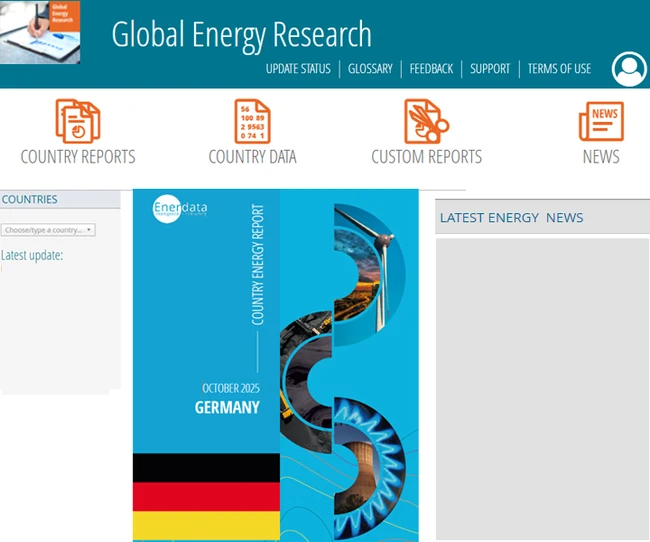
Interested in Global Energy Research?
Enerdata's premium online information service provides up-to-date market reports on 110+ countries. The reports include valuable market data and analysis as well as a daily newsfeed, curated by our energy analysts, on the oil, gas, coal and power markets.
This user-friendly tool gives you the essentials about the domestic markets of your concern, including market structure, organisation, actors, projects and business perspectives.