The European Parliament has approved the Euro 7, a new set of rules to reduce emissions from motor vehicles. The new measures set tougher limits on pollutants including nitrogen oxides (NOx) and carbon monoxide (CO) for buses and trucks, sets limits on particulate matter (PM10) pollution from the brakes of cars and vans, as well as the minimum performance requirements for battery durability in electric and hybrid cars. Cars and vans will have to comply with the new rules from July 2030, and buses and trucks 12 months after. The measures still require formal approval from the EU Council before it can enter into force.
In November 2022, the Commission proposed more stringent air pollutant emissions standards for combustion-engine vehicles, regardless of the fuel used. The current emission limits apply to cars and vans (Euro 6) and to buses, trucks and other heavy-duty vehicles (Euro VI). With the adoption of these measures, the Parliament seeks to promote the purchase of electric vehicles complying with good battery life standards, to advance the deployment of digital and electrical infrastructure, and to reduce the EU’s energy dependency from foreign actors.
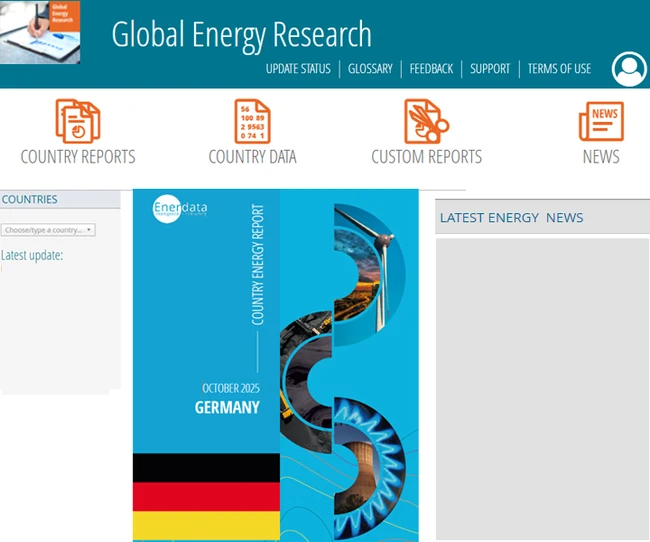
Interested in Global Energy Research?
Enerdata's premium online information service provides up-to-date market reports on 110+ countries. The reports include valuable market data and analysis as well as a daily newsfeed, curated by our energy analysts, on the oil, gas, coal and power markets.
This user-friendly tool gives you the essentials about the domestic markets of your concern, including market structure, organisation, actors, projects and business perspectives.