The EU’s energy ministers, gathered under the Council of the EU, have approved an emergency plan for all EU member states to reduce gas use by 15% from August 2022 to March 2023, in anticipation of possible reductions in natural gas supply from Russia. The decision is non-binding and remains voluntary, contrary to the European Commission’s original proposal.
EU countries that are not interconnected to other member states’ gas networks are exempted from mandatory gas reductions as well as member states whose electricity grids are not synchronised with the European electricity system and are heavily reliant on gas for electricity production. In addition, EU countries can request a derogation to adapt their demand reduction obligations if they have limited interconnections to other member states and they can show that their interconnector export capacities or their domestic LNG infrastructure are used to re-direct gas to other member states to the fullest. Derogations are also possible for member states if they have overshot their gas storage filling targets, if they are heavily dependent on gas as a feedstock for critical industries or if their gas consumption has increased by at least 8% in the past year compared to the average of the past five years.
This decision comes just as Russia’s Gazprom announced it would cut gas flow through the Nord Stream 1 pipeline to only 20% of its capacity (12 bcm/year). In 2021, the European Union consumed 413.6 bcm of natural gas (+4% compared to 2020), including 37% in buildings, 28% in power plants and 27% in industry.
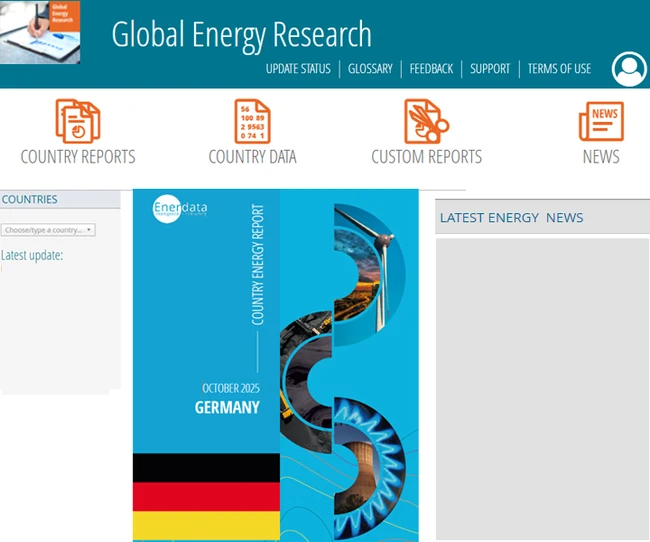
Interested in Global Energy Research?
Enerdata's premium online information service provides up-to-date market reports on 110+ countries. The reports include valuable market data and analysis as well as a daily newsfeed, curated by our energy analysts, on the oil, gas, coal and power markets.
This user-friendly tool gives you the essentials about the domestic markets of your concern, including market structure, organisation, actors, projects and business perspectives.