According to the Annual Energy Outlook 2015 by the US Energy Information Administration, new power generation capacity additions should slow down by 2040, from 26 GW of new power capacity added each year over the 2000-2013 period on average to less than 20 GW per year by 2040.
By 2017, about 17 GW should be installed per year, with nearly half of these new capacities coming from wind and solar power, thanks to federal tax incentives and renewable portfolio standards.
Between 2018 and 2024, new additions should fall to less than 4 GW per year, as earlier planned additions will be sufficient to meet rising electricity demand.
From 2025 to 2040, additions should resume and average 12 GW per year (mainly gas-fired and renewable power plants). Consequently, the installed capacity in the United States should increase from 1,068 GW in 2013 to 1,261 GW in 2040. Capacity additions will be more than three times higher than capacity retirements, with 287 GW added and 90 GW retired by 2040.
By this date, gas-fired power plants will contribute by 58% to capacity additions, with renewables contributing by 38% and nuclear by 3%. Nearly 110 GW of renewable capacity should be added by 2040 (reference case), with 49 GW of wind and 48 GW of solar added (31 GW of solar PV), while 9 GW of nuclear capacity should be constructed (6 GW currently under construction and 3 GW under planning).
High construction costs and uncertainties about greenhouse gas emission regulations are expected to limit the development of new coal-fired power plants, with just 1 GW of capacity added by 2040.
Interested in Power Plants?
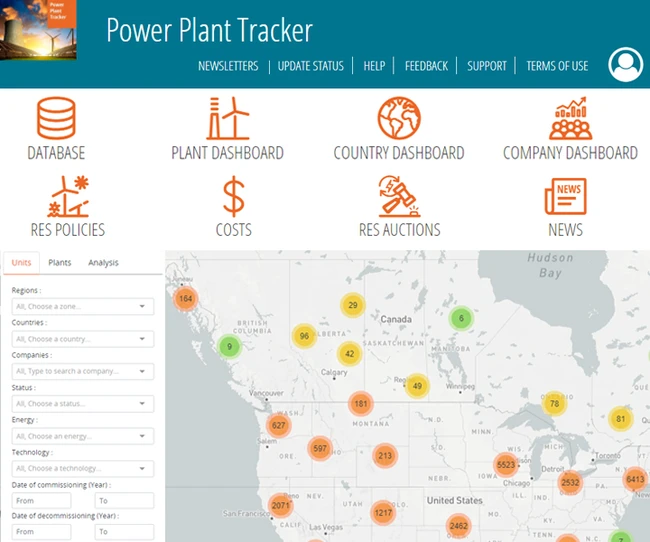
Enerdata has developed a market research service to screen, monitor and analyse the development of power generation assets.
Power Plant Tracker offers an interactive database and a powerful search engine covering power plants worldwide – including both installed and planned capacities for renewables and fossil fuels.