According to the Egyptian Ministry of Finance, Egypt cut electricity subsidies from EGP8bn (US$509m) in the second half of 2018 to zero in the second half of 2019. In addition, energy subsidies (excluding power) were reduced by 67% from EGP30.2bn (US$1.9bn) in the second half of 2018 to EGP9.9bn (less than US$630m) in the second half of 2019.
Egypt entered a reform programme led by the International Monetary Fund (IMF) in 2016 in a bid to revive its economy after the 2011 revolution. As part of the US$12bn deal, Egypt had to remove all subsidies, adjust the price of oil products to international levels, and adapt electricity tariffs to long-term marginal costs. From 2016, the country decided to end fuel subsidies within three years and to halve electricity subsidies by 2020. According to the IMF, energy subsidies were cut from 4% of GDP in 2014/2015 to 1.9% in 2018/2019. The government also increased electricity tariffs for both industry and households by 15% over the 2019-2020 fiscal year (starting in July 2019).
The IMF agreement ended in July 2019, but the Government pledged to continue reducing energy subsidies. The budget for 2019-2020 aims at reducing subventions to 0.9% of GDP.
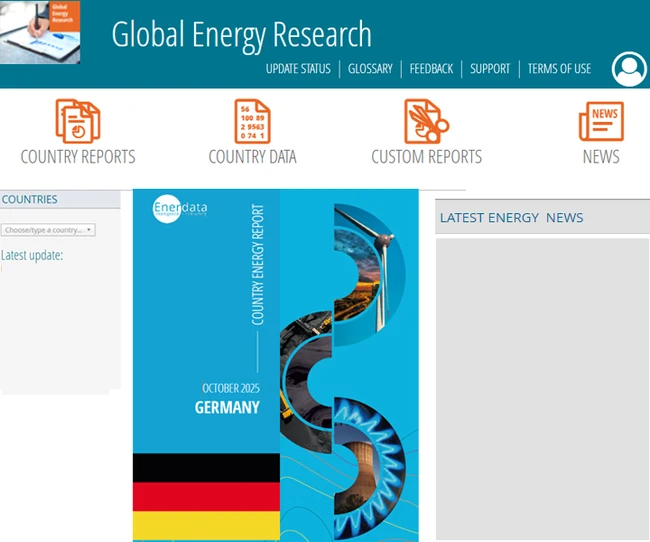
Interested in Global Energy Research?
Enerdata's premium online information service provides up-to-date market reports on 110+ countries. The reports include valuable market data and analysis as well as a daily newsfeed, curated by our energy analysts, on the oil, gas, coal and power markets.
This user-friendly tool gives you the essentials about the domestic markets of your concern, including market structure, organisation, actors, projects and business perspectives.