EDF has released its 2019 results, announcing a 3.5% growth in its turnover (€71.3b) and a fourfold increase in its net result (€5.2bn). At the end of 2019, the group operated 126.8 GW of capacities (130.7 GW including joint venture and associated companies), including 73 GW of nuclear, 22 GW of hydropower, 12 GW of gas-fired power plants, 10 GW of renewables, 5.7 GW of coal-fired power plants and 4.1 GW of oil-fired power plants.
EDF's power generation declined by 4.5% to nearly 558 TWh, due to a 4.4% drop in nuclear generation to 438 TWh and to a 14% fall in hydropower generation (lower hydro availability in the first nine months of 2019); this was partly offset by increases in gas-fired (11%) and renewable (6.4%) power generation. In the United Kingdom, nuclear power generation fell by nearly 14% due to extended outages at the Hunterston B and Dungeness B nuclear power plants, whereas both nuclear and wind power generation increased in Belgium; wind generation also rose significantly in Italy.
The group is continuing with many major power projects, including the 1,650 MW Flamanville 3 EPR project in France (expected in 2023), the Hinkley Point C nuclear project in the United Kingdom (expected in 2025), the Jaitapur nuclear power project in India, the 4,200 MW Nachtigal dam project in Cameroon (expected in 2023). In addition, EDF is facing the future closure of its Fessenheim nuclear power plant in eastern France and a €45bn modernisation programme for its nuclear fleet in France ("Grand Carénage").
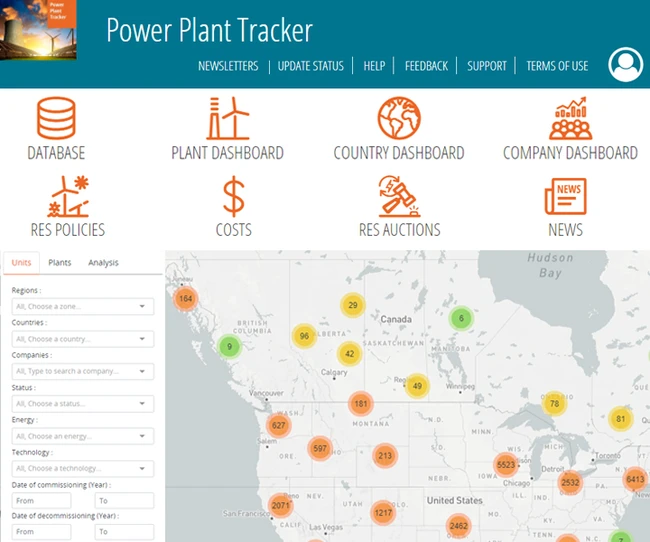
Interested in Power Plants?
Enerdata has developed a market research service to screen, monitor and analyse the development of power generation assets.
Power Plant Tracker offers an interactive database and a powerful search engine covering power plants worldwide – including both installed and planned capacities for renewables and fossil fuels.