The Danish government estimates that the cost to meet its 2030 climate target of reducing greenhouse gas (GHG) emissions by 70% from 1990 levels (around 20 MtCO2eq) could reach DKK16-24bn (€2.1-3.2bn) by 2030, i.e. 0.7-1% of gross domestic product. Initiatives launched in 2019 will reduce emissions in 2030 by around 5 MtCO2eq, and the government plans to cut another 9-16.5 MtCO2eq by using new technologies such as carbon capture storage (CCS), biofuels, electrification and ‘power-to-X’.
In June 2020, Danish government and parliament signed a climate agreement that targets a 3.4 Mt reduction in CO2 emissions. As part of the deal, the country will approve the creation of two offshore wind hubs totaling 5 GW and that of a 1 GW offshore wind project in Hesselø and will invest in CO2 capture (carbon capture and storage, CCS) and green fuels. In addition, Denmark will introduce a tax on emissions of CO2 and GHG.
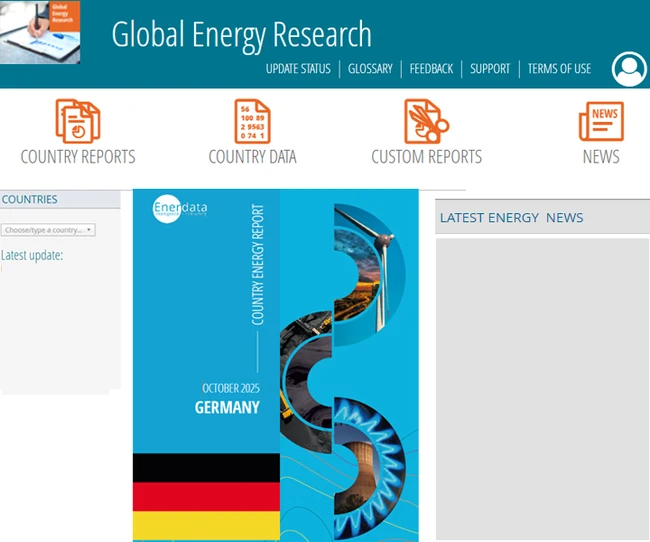
Interested in Global Energy Research?
Enerdata's premium online information service provides up-to-date market reports on 110+ countries. The reports include valuable market data and analysis as well as a daily newsfeed, curated by our energy analysts, on the oil, gas, coal and power markets.
This user-friendly tool gives you the essentials about the domestic markets of your concern, including market structure, organisation, actors, projects and business perspectives.