Croatia is considering taking part to the controversial new-build project at the Paks nuclear power plant in neighbouring Hungary, in an attempt to reduce electricity imports, which account for 40% of its power supply (Croatia imports half of the generation of the Krsko nuclear power plant in Slovenia).
The Paks project consists in the construction of two new 1,200 MW reactors, whose construction could start in 2018, with commissioning scheduled in 2025-2026. In November 2015, the European Commission launched an infringement procedure against Hungary for non-compliance with EC public procurement rules for the expansion of the plant. In January 2014, Hungary had signed an agreement with Russia, which would finance up to 80% (or €10bn) of the project, build two 1,200 MW reactors on a turnkey basis and supply nuclear fuel over a 20-year period while handling and storing spent fuel elements in Russia. The European Commission started to investigate the construction contract, which had been awarded to Rosatom (Russia) without any public tender, as well as the fuel supply contract. The terms of the fuel supply contract were revised in April 2015 but investigations are continuing, the Commission considering that Hungary has so far failed to explain how the project did not conflict with state aid rules.
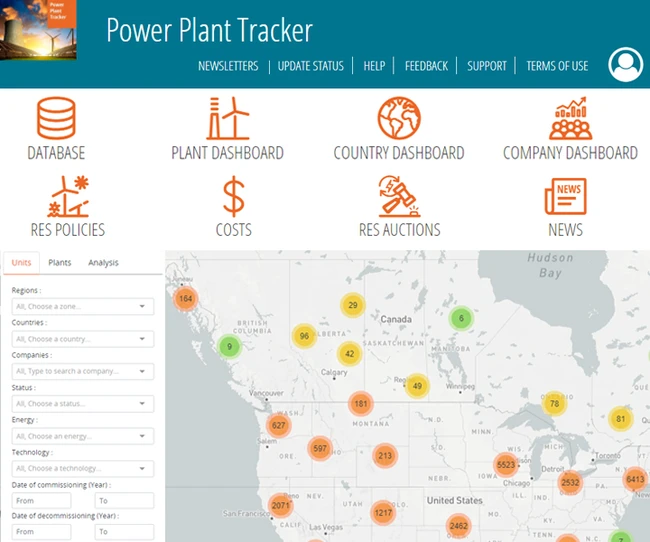
Interested in Power Plants?
Enerdata has developed a market research service to screen, monitor and analyse the development of power generation assets.
Power Plant Tracker offers an interactive database and a powerful search engine covering power plants worldwide – including both installed and planned capacities for renewables and fossil fuels.