The National People’s Congress, China’s parliament, has adopted a new law that will give regions power to tax as many as 164 different resources, including fossil fuels and minerals. The reform will be implemented prior to September 2020. Tax rates on crude oil and rare earths will still be set by the central government, but local authorities will be authorized to adjust taxation of other resources. They will be able to provide tax relief for depleted, low-grade mines or regions hit by natural disasters, and use tax exemptions to serve policy strategies like the development of coalbed methane.
China introduced its first resource tax reforms for crude oil, gas and coal in 2011 and extended to other commodities in 2016. Chinese companies were levied on how much of a commodity they used, whereas the new tax system will be based on prices. Under the new regulation, Chinese and foreign companies jointly exploring onshore and offshore oil and gas blocks will have to pay royalties (for contracts signed before 1 November 2011) and a resource tax at the expiration of the contract.
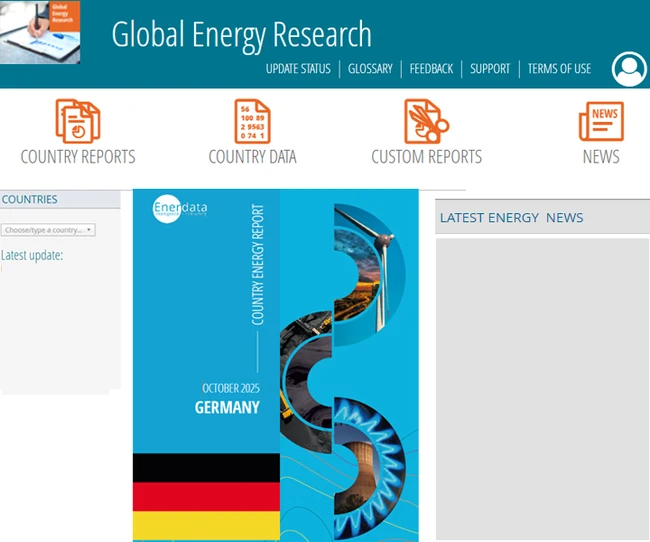
Interested in Global Energy Research?
Enerdata's premium online information service provides up-to-date market reports on 110+ countries. The reports include valuable market data and analysis as well as a daily newsfeed, curated by our energy analysts, on the oil, gas, coal and power markets.
This user-friendly tool gives you the essentials about the domestic markets of your concern, including market structure, organisation, actors, projects and business perspectives.