The Canadian government plans to soften the impact of the upcoming carbon tax on major emitter of greenhouse gas (GHG) and has cut the initial proposed levy on 30% of industrial emissions to 20% for the majority of sectors and 10% for vulnerable industries such as cement, steel and iron. The initial charge of CAD20/tCO2eq (US$15/CO2eq) will be applied in January 2020 and rise to CAD50/tCO2eq (US$38/CO2eq) by 2022.
Canada's nationwide climate-change strategy currently includes a carbon tax, which will be imposed on provinces that do not have set their own carbon pricing system. This move is a key pillar in Canada’s strategy to meet its Paris Agreement target of reducing greenhouse gas emissions (GHGs) by 30% below 2005 levels by 2030.
As of January 2018, four provinces covering 80% of the Canadian population (Alberta, British Columbia, Ontario and Quebec) have implemented a carbon pricing system and all provinces have committed themselves to adopt a carbon pricing system in the future. In July 2018, Canada's Northwest territories announced the introduction of the carbon tax in 2019.
Interested in Global Energy Research?
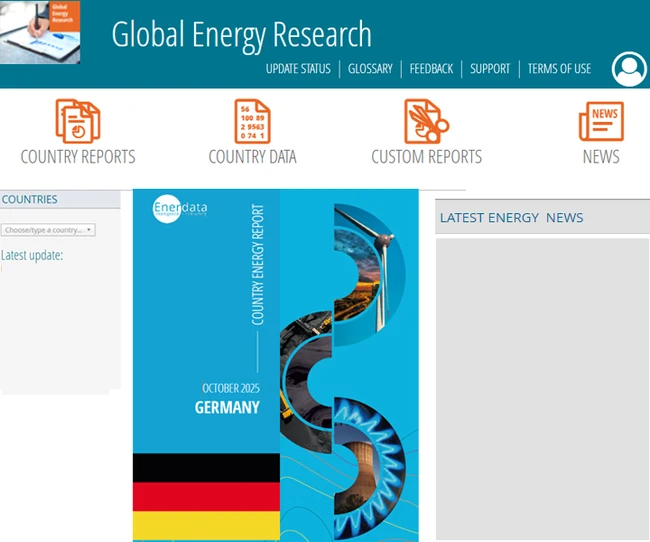
Enerdata's premium online information service provides up-to-date market reports on 110+ countries. The reports include valuable market data and analysis as well as a daily newsfeed, curated by our energy analysts, on the oil, gas, coal and power markets.
This user-friendly tool gives you the essentials about the domestic markets of your concern, including market structure, organisation, actors, projects and business perspectives.