The Canadian government has announced plans to phase out traditional coal-fired power generation by 2030, after having ratified the Paris Agreement in October 2016.
Four Canadian provinces, namely Alberta, Saskatchewan, Nova Scotia and New Brunswick, still use coal in power generation, but Alberta has introduced a coal-cutting policy with a similar timeline. The federal coal regulation will take into account the positions of provinces and will build on the existing plan to phase out coal power. Some coal-fired plants will be allowed to stay open if they are equipped with CCS facilities or if equivalent emission reductions are achieved elsewhere. The province of Nova Scotia, where four coal-fired power plants are operational, plans to introduce a cap and trade programme by 2018.
Canada aims to have 90% of CO2-free power generation by 2030. However, phasing out coal-fired generation may have a limited effect on total greenhouse gas emissions, since coal-fired power plants emitted 62 MtCO2eq in 2014, much below emission levels from the oil and gas sector (192 MtCO2eq in 2014).
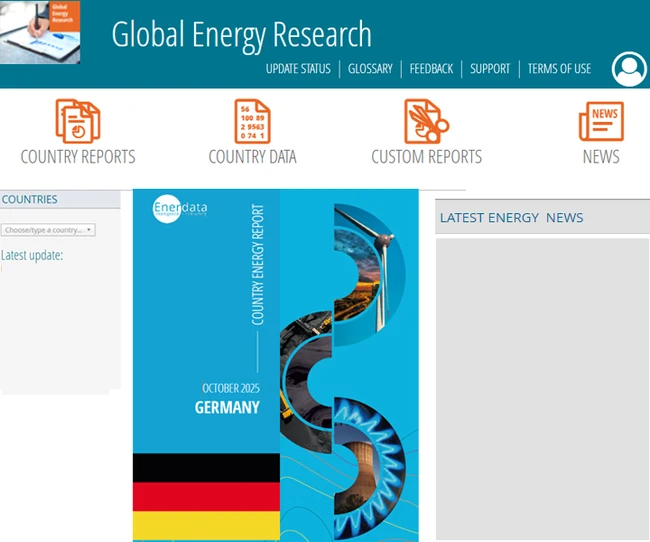
Interested in Global Energy Research?
Enerdata's premium online information service provides up-to-date market reports on 110+ countries. The reports include valuable market data and analysis as well as a daily newsfeed, curated by our energy analysts, on the oil, gas, coal and power markets.
This user-friendly tool gives you the essentials about the domestic markets of your concern, including market structure, organisation, actors, projects and business perspectives.